Introduction
A CMS comparison helps teams pick the proper CMS for their needs. A good CMS choice saves time and lowers costs. Clear features, steady support, and simple workflows all matter. With simple checks and clear steps, teams move fast and ship on time.
A CMS comparison helps you find which platforms are safe and reliable. Small pilot tests show proof and lower risk. Shared ways of working build trust and help teams grow. Smart picks from a comparison of the available CMS guide the review of the various types of CMS software.
Compare the Types of CMS Software for Your Needs
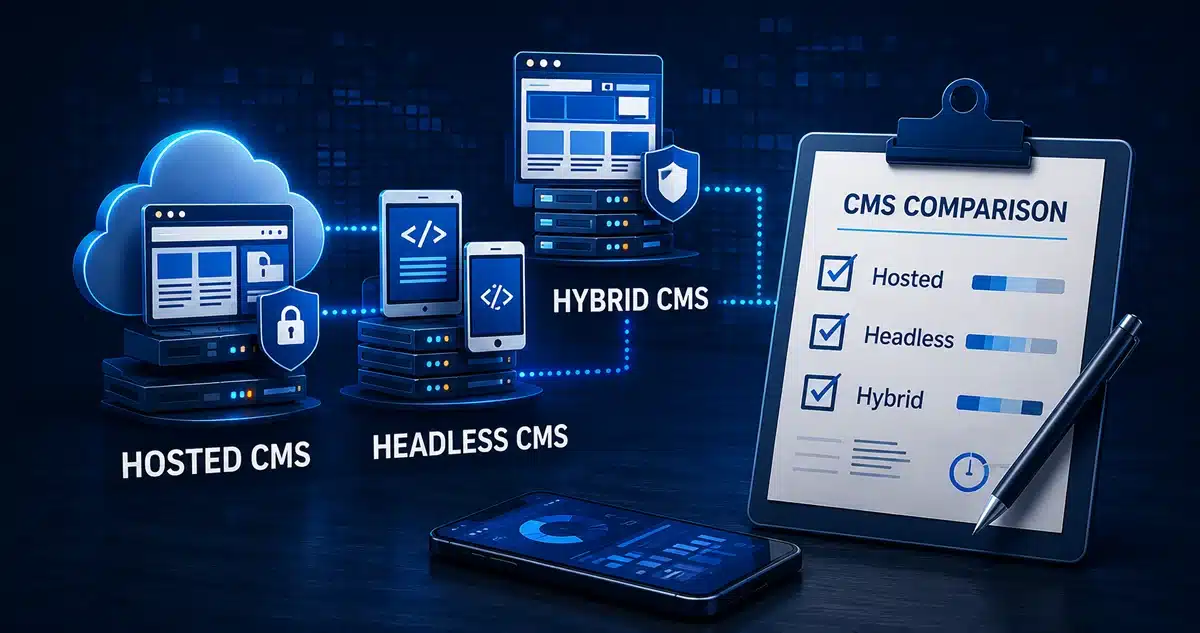
Comparing CMS software types shapes how teams work. Hosted, headless, and hybrid models set who owns what and how much effort is needed. Comparing the available CMS makes these choices clear. It links tools with goals and long-term growth plans.
Teams run short tests to check each platform. They score cost, speed, and plugin support. A CMS review helps track notes and keeps bias out. With clear scoring, you can choose tools that support faster, safer work for teams.
The benefits are substantial. Teams launch faster, errors drop, and ownership is clear. Knowing the types of CMS software helps your choices remain grounded in meeting real needs. A CMS comparison also enables you to prove long-term value and keep budgets under control.
Clear rules and shared tests guide safe choices. Checklists keep reviews simple and steady. From here, teams can build shortlists and compare options. The next step is to explore platform options and define the top CMS for future growth.
Choose the Top CMS for Speed and Control
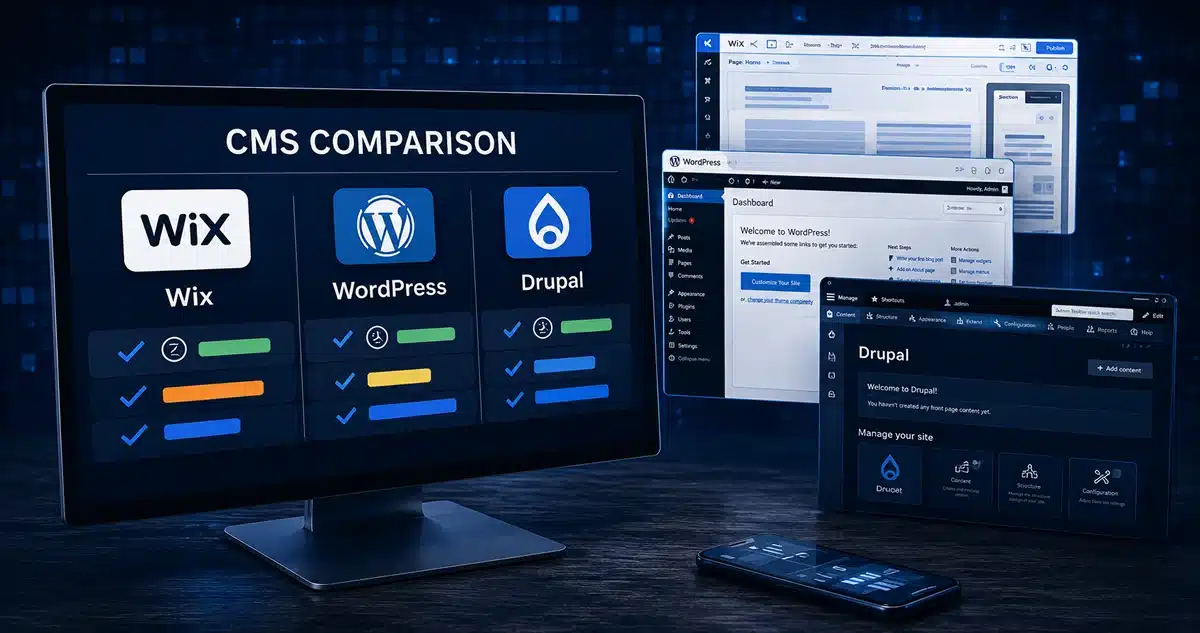
Picking the top CMS starts with clear checks. Uptime, easy editing, and safety should all count. A CMS comparison shows which platforms work best. Leaders assess features, roadmaps, and support to enable their teams to work faster without risks.
Narrow the list down to two, or at most, three platforms. Test editor flow, templates, and speed to see which works best. Wix CMS setup, for instance, shows how simple it can be for smaller groups that want a fast start with little setup.
The benefits stand out. Faster launches lead to fewer delays. A CMS comparison gives proof of value. With the right CMS, you can scale with less stress and safer team workflows. Growth feels steady when choices are clear and tested.
Keep track of dates, budgets, and risks. These steps keep changes safe and controlled. Next, move from your shortlists to CMS solutions that make daily work easy and support growth.
Plan CMS Solutions That Scale With Your Team
CMS helps individuals and teams grow step by step. They define content, roles, and workflows. With clear paths, errors reduce and speed improves. Comparing available CMS tools reveals which ones provide steady growth while keeping projects secure.
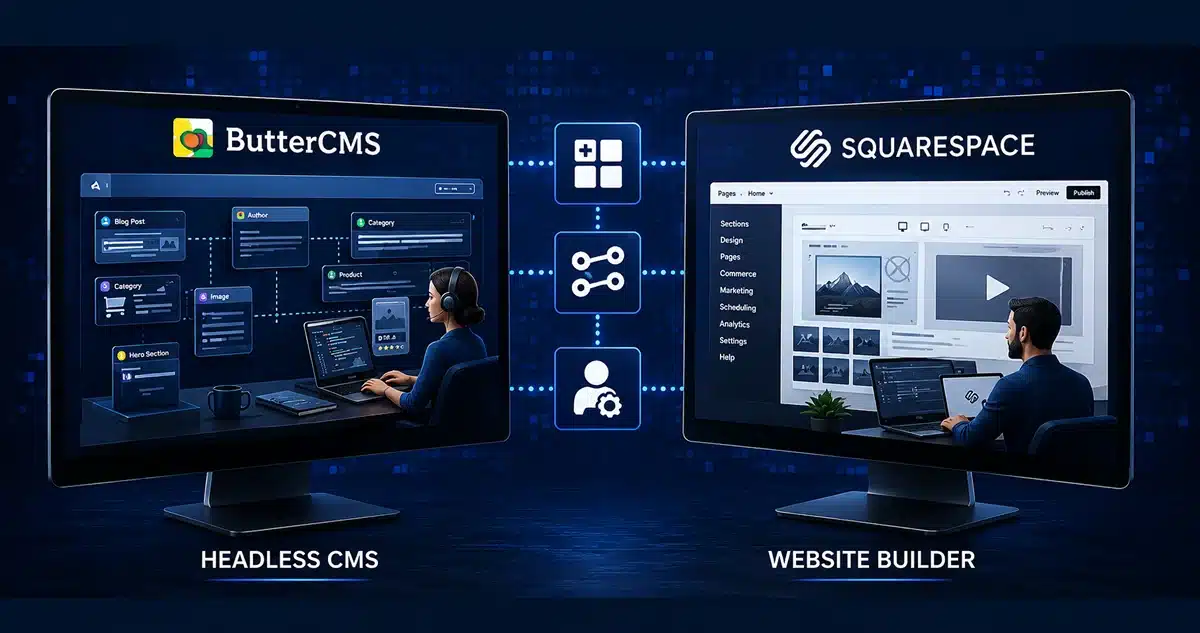
ButterCMS offers headless tools with easy writing. Squarespace CMS helps with fast design and small builds. Both demonstrate how to tailor CMS solutions to fit the size and style of every project. Check blocks, pipelines, and user access to be sure they work.
The gains are clear. Less rework means faster launches. Uptime stays steady, and leaders earn trust through steady results. A CMS comparison also helps explain value and guide budgets. Teams can then plan upgrades with confidence and lower risk.
Shared parts save time, and building one section at a time makes work easier. Simple rules keep projects smooth. Plan as early as possible so work stays steady. Also, learn to avoid lock-in and handle migration risks with care.
Prevent Lock-In with Migration-Ready Architecture
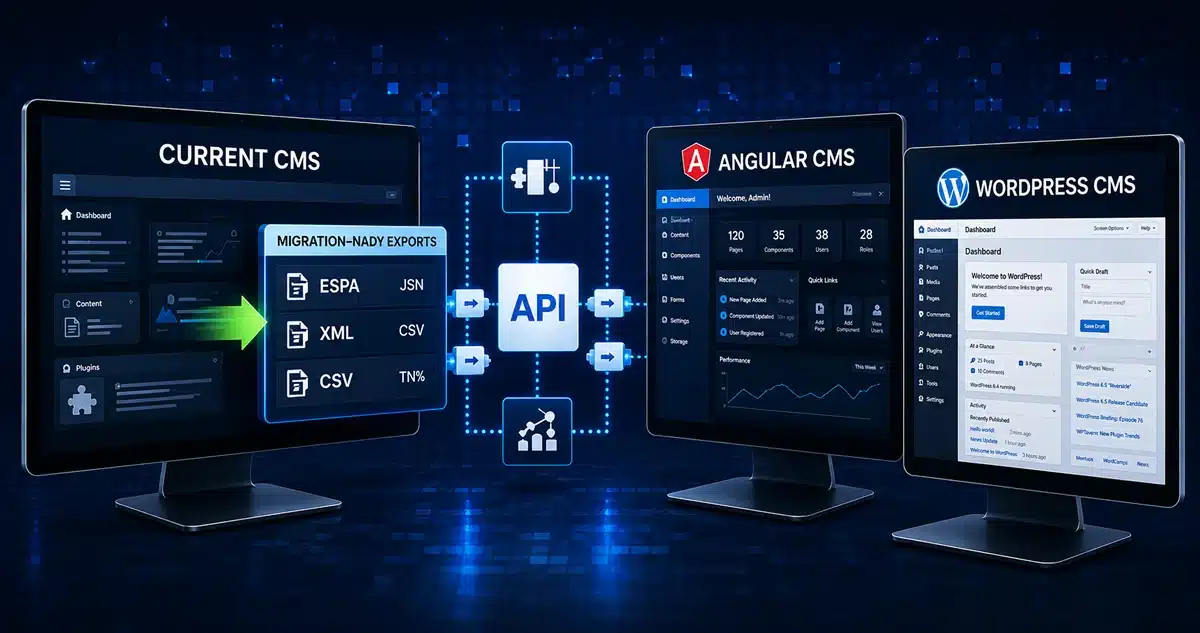
A CMS comparison helps teams prepare for change when necessary. Strong content rules, media steps, and APIs support safe moves. CMS solutions offer flexible paths for growth. These setups reduce stress and prevent projects from relying too heavily on a single vendor.
Export formats and adapters enable faster shifts. Clean front ends swap with less effort when rules are ready. An Angular CMS shows how front-end technology can quickly link with stacks. These clear options give teams more freedom in a change.
The gains are simple. Migration is faster and safer. By linking the various types of CMS software with clear builds, teams right-size models. This balance helps avoid errors and reduces costs. It makes leaders trust the path forward with steady plans.
Audits protect systems, tests help you find issues early, and owners track dates and results. A CMS comparison guides each review. With safe checks, teams prepare for growth. They guard against risks that come with vendor lock-in over time.
Measure ROI and Performance to Guide Upgrades
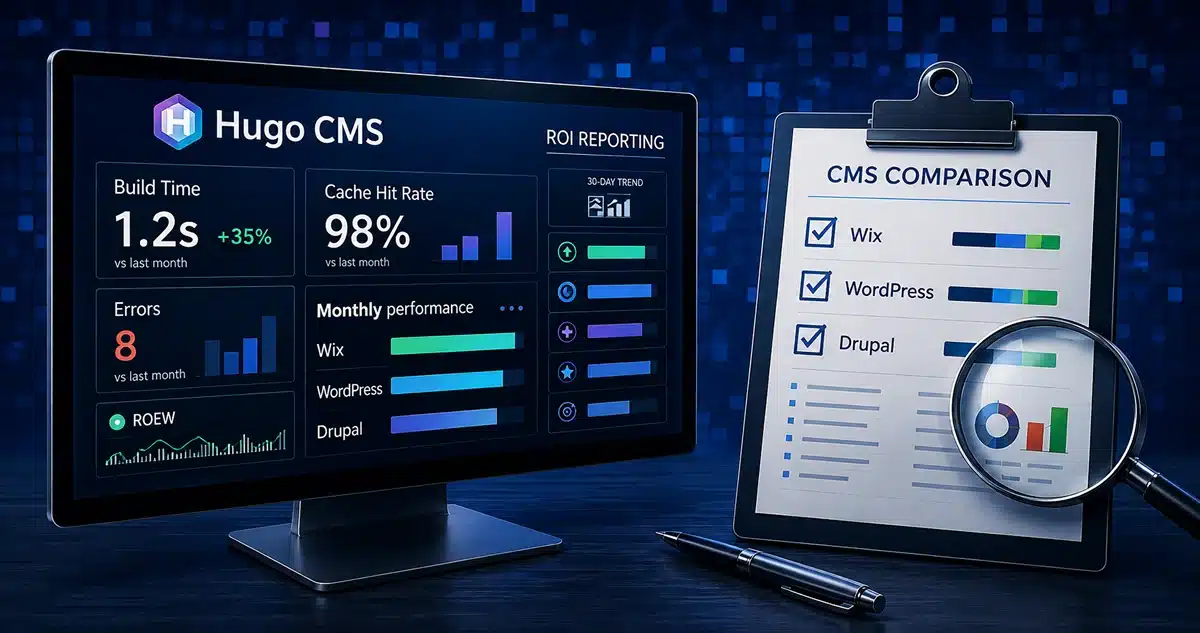
Comparing CMS platforms helps leaders track value. Reporting ties into editing speed, build time, and capacity. With clear data, upgrades are planned with less stress. Teams know what works and where to improve with safe reviews.
Testing brings proof. Build times, cache rates, and errors are measured. Hugo CMS, for example, demonstrates static speed and low cost. Results are compared with the top CMS choices. This check verifies whether shortlists still meet the team’s goals.
The benefits are simple. Better data means smarter budgets and stronger roadmaps. CMS solutions provide teams with safer builds and steady paths. A CMS comparison confirms value so that leaders can make clear choices without fear of waste.
Monthly checks track results and set owners. Actions are assigned early. With clear audits, projects stay safe. These steps keep growth predictable. They also make upgrades easier to approve across busy teams.
Frequently Asked Questions
What steps can help teams conduct fair CMS reviews without bias or vendor pressure?
Teams should use a shared checklist. Score features, support, and costs. Rotate testers to cut bias, and write clear notes.
When is Wix CMS a good fit for small teams that need fast setup and simple editing?
It fits when speed matters most. Small teams want simple tools. A fast setup saves time. Easy editing aids staff in their work without prior training.
Which projects benefit most from Squarespace CMS over custom headless builds?
Projects that need design speed benefit. Simple sites go live faster, and drag-and-drop tools help teams. Custom builds, however, may take longer.
Where does ButterCMS fit when you want headless flexibility plus easy authoring?
It suits groups that want simple writing and streamlined power. Authors create content without code, and developers add flexible features.
How does Angular CMS support component reuse and faster front-end updates across sites?
It supports reuse by giving modular blocks. Teams build once and use it again. Updates are quicker, and sites stay consistent.
When should teams choose Hugo CMS for speed, security, and low hosting costs?
They should choose it for static sites, as it has strengths that make it ideal for teams that need speed, safety, and precise budget control all at once.
Conclusion
A CMS comparison links tools, speed, and goals. Clear checks show how structure supports change. With this, teams stay on track and continue shipping work without delays that cause waste.
Leaders test and plan upgrades often. Knowing the types of CMS software gives safe choices. Tools then fit budgets and needs. With steady reviews, growth is smoother. Projects stay simple, and changes bring steady wins for every team.
Build Steady Growth With CMS Comparison for Lasting Success
At The Strategic Tech, we’ll help you choose the best CMS for your needs using the top CMS options. Our team makes it easy to update content and keep your site strong. We’ll guide you through a simple CMS comparison that helps your website grow and your team work with ease. Request your CMS checklist.