This quick implementation guide gives you the fastest steps to apply the lessons from the full article. Use the three actions below to make immediate progress today.
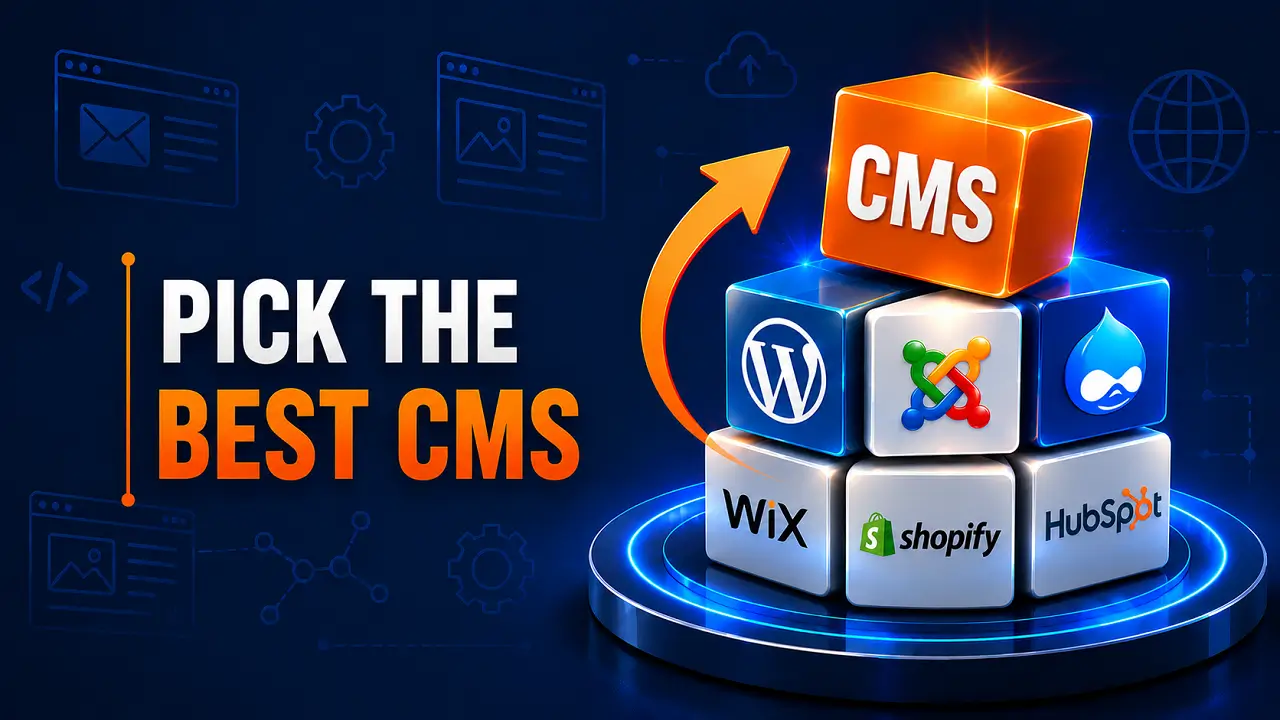
Step 1 — List CMS Needs
What to do
List must-have features, roles, and budget, then compare the available CMS types against them.
Why it matters
Clear criteria remove bias, speed up decisions, and keep your CMS comparison tied to real goals.
How to apply it today
Create a one-page scorecard today with cost, speed, editing ease, security, and support. Score hosted, headless, and hybrid options from 1–5.
Step 2 — Run Pilot Tests
What to do
Narrow down to two or three platforms, then run short editor, template, and speed tests.
Why it matters
Pilot results show what your team can ship fast, reducing delays, errors, and wasted spend.
How to apply it today
Build one sample page, one form, and one workflow in each option this week. Log build time, editor friction, and page load speed, then pick the winner.
Step 3 — Plan for Migration
What to do
Set content rules, exports, and APIs so you can switch tools without chaos later.
Why it matters
Migration-ready architecture prevents lock-in, protects budgets, and keeps your CMS solutions flexible as you grow.
How to apply it today
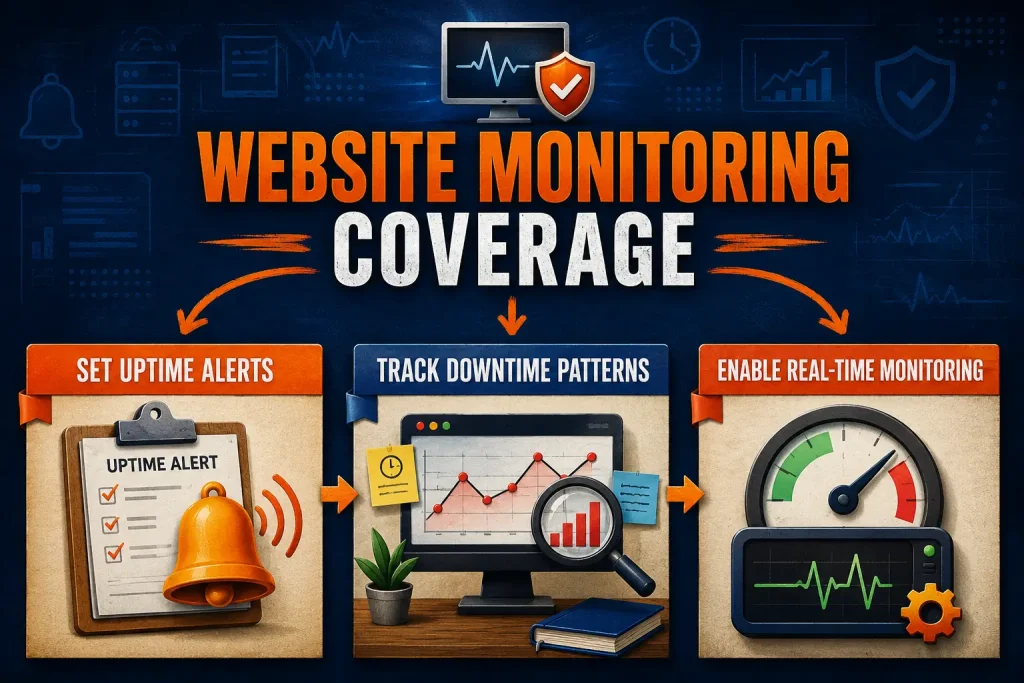
Define fields, media naming, and URL rules now, then test a full export. Store docs in one folder and assign an owner to review migration risks each month.
Check One Result After Implementation
Check whether the CMS scorecard is completed, pilot test results are documented, and migration guidelines are recorded, then record the current status once.
Review again after a reasonable period and note whether the documentation and test records remain current and complete.