Introduction
The best CMS for ecommerce links content, products, and checkout steps. Good plans save money and speed launches. Simple flows guide buyers to act. Small tests show what works and cut waste. You build trust while traffic and orders increase across many channels.
Ecommerce sites grow when store features match clear goals. Shared playbooks align work to budgets and timelines. Clear tasks reduce errors. The best CMS for ecommerce connects directly to CMS and ecommerce decisions.
Design Decisions for CMS and Ecommerce Success

CMS works better with ecommerce when models, roles, and flows are clear. The most preferred CMS platform for ecommerce gives simple steps for teams. Roles keep order steady. Workflows guide tasks. Owners follow set plans. This reduces errors and speeds each release.
A small test version is a safe start. For example, you can test Drupal ecommerce. Check product types, tax rates, and shipping rules. Small tests show weak points early, which makes fixes cost less. Launches move faster with fewer problems.
CMS and ecommerce choices shape the long game. Clear tools mean faster edits and less rework. Teams spend less time fixing and more time selling. The best CMS for ecommerce supports steady growth and safer updates over the years.
Owners, templates, and support plans help with daily work. These steps keep teams aligned. They also protect sites from delays. Let’s now explore platform execution and establish clear workflows on WordPress ecommerce websites.
Build Clear Flows on WordPress Ecommerce Websites
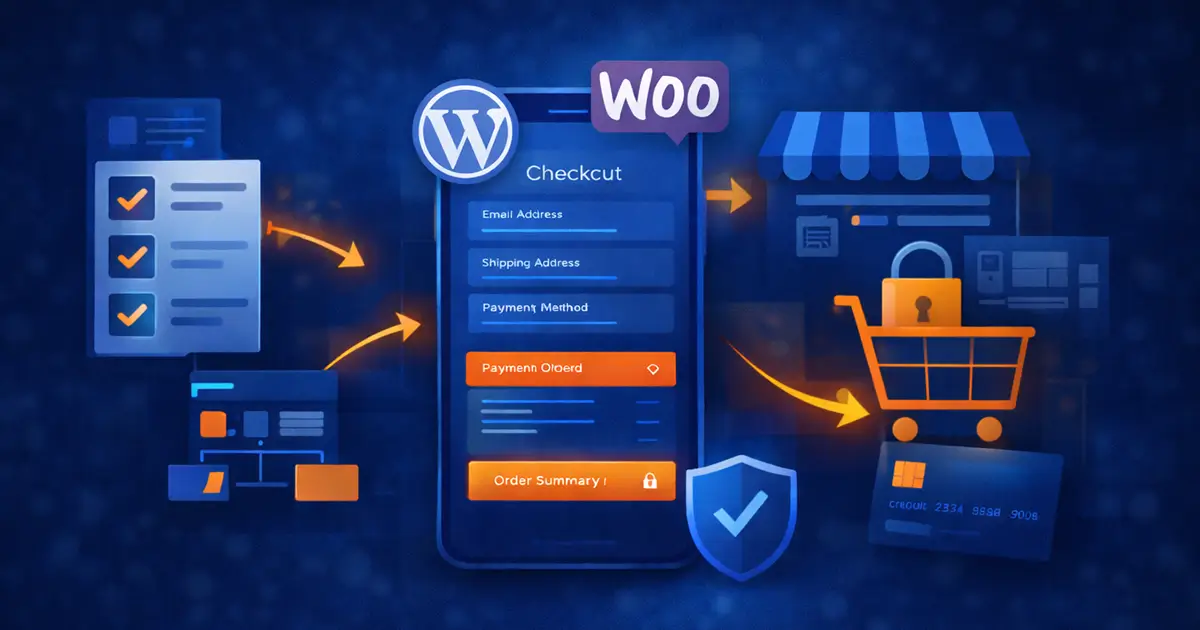
WordPress websites give the best themes, blocks, and payment tools. As one of the best CMS for ecommerce, it makes every step simple. Owners set tasks. Pages use clear parts. With this flow, carts move faster, and buyers finish orders without stress.
A small pilot project helps you test how the checkout flow works before launch. A WordPress online shop, for instance, can embed an optimized checkout. Fields are short. Buttons work on mobile. Tests confirm buyers can tap, pay, and leave fast. Speed adds trust and keeps sales steady.
WordPress ecommerce websites also cut drop-offs. Simple routes and clear steps reduce confusion. Teams spend less time fixing errors. The best CMS for ecommerce brings order. Sites load faster. Checkouts finish without delay. Buyers stay happy and come back.
Strong hygiene rules protect the site. Backups save data. Patches close risks. Staff follow clear rules. These steps make growth safe. Next, extend features by using WooCommerce integration for coupons, shipping, and payments.
Extend Features with WooCommerce Integration
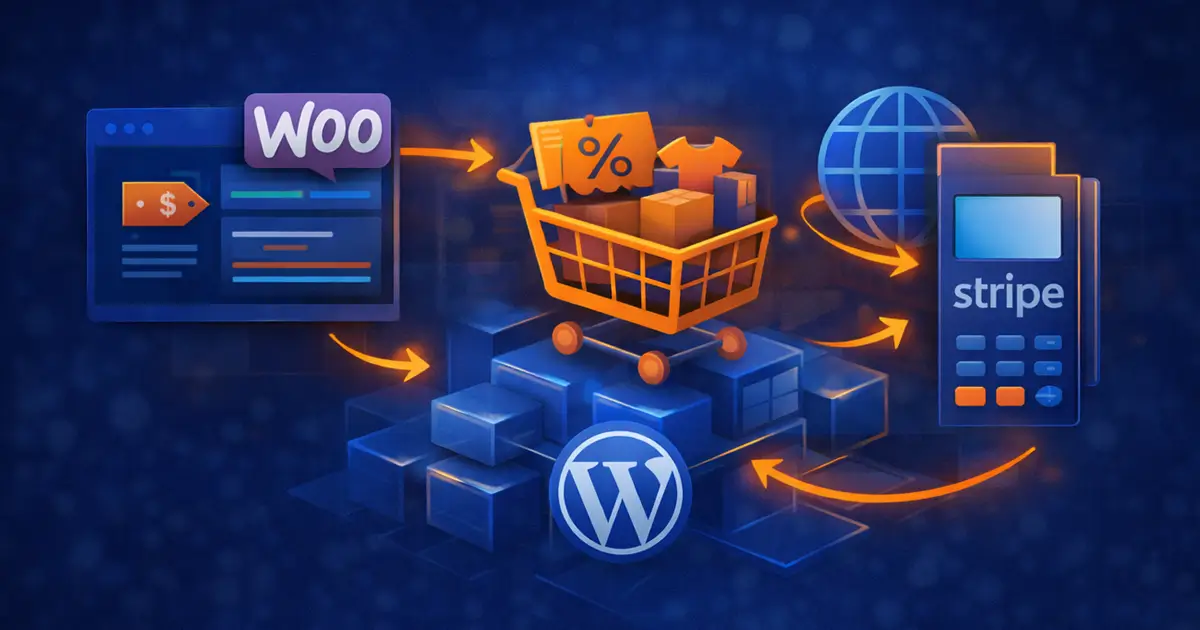
WooCommerce adds tools for product catalogs, coupons, taxes, and shipping. It combines CMS and ecommerce, thus making these steps smooth. Teams set rules once. Owners track updates. This keeps stores simple, clear, and ready to scale as orders grow.
Payments and subscriptions can also be added. Many people use Stripe and WordPress to handle renewals and refunds. This keeps checkout safe and fast. Buyers trust the flow, and you can track results and fix problems before they spread.
WooCommerce integration reduces stress for staff. One stack covers many needs, and your team saves time and avoids heavy switches. The best CMS for ecommerce supports steady growth. Owners see fewer breaks. Shoppers enjoy simple carts, quick pages, and clean support.
Ensure that your staff review updates often — reports flag errors, and backups prove you can recover. These habits cut risk. Next, compare platform options and daily work. That way, you can plan smart upgrades and safe growth.
Compare Platforms and Plan Operations
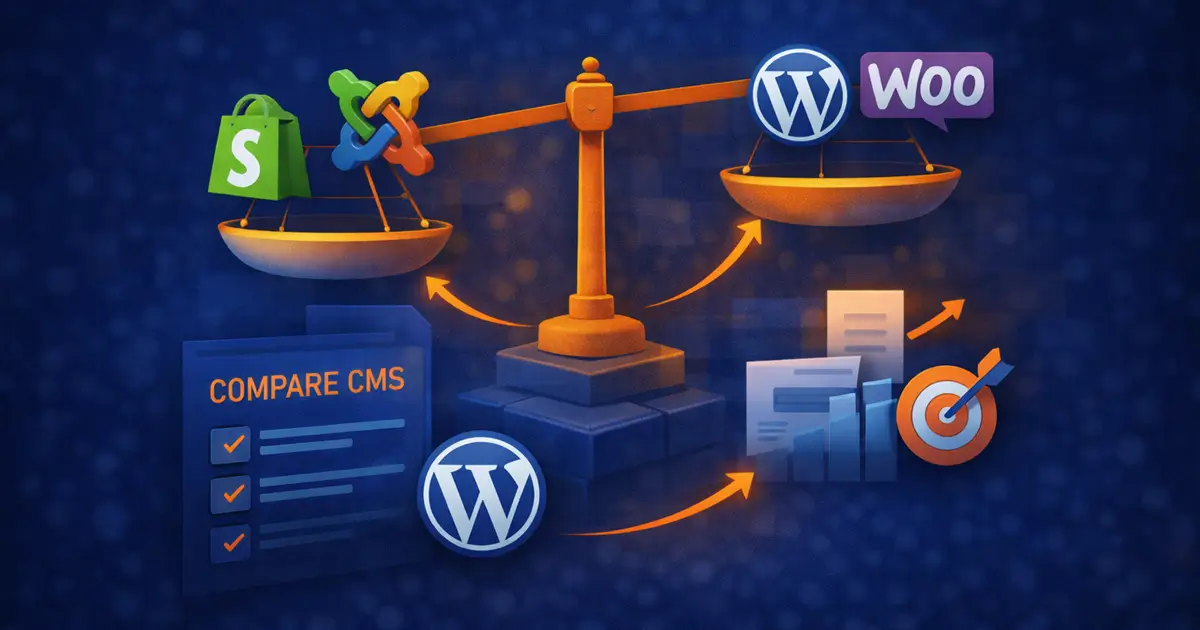
The best CMS for ecommerce must be quick and simple. It should align with the available skillset and budget constraints. CMS rules guide work. Owners set tasks. Playbooks give steps. These habits keep sites safe and sales steady each day.
Some stores prefer hosted platforms for faster setup and speed. A Shopify CMS brings built-in hosting. Other stores want more freedom. Joomla eCommerce offers numerous templates for design. Both work in different ways. In some cases, WooCommerce integration works well inside a WordPress site.
WordPress ecommerce websites add more value. Shared flows make training faster. Teams reuse blocks and themes across shops. This saves cost. Upgrades move quickly when steps are clear. Staff know their roles. Work is steady, and tasks finish on time.
Audits and backups support daily work. Owners check logs and updates. They fix minor issues as they arise. Clear reports show results. With steady routines, your team feels safe. Next, we measure results and use goals to improve each cycle.
Measure Results and Improve Steadily

The best CMS for ecommerce should connect goals to results. Dashboards should track carts, speed, and revenue. Numbers make targets clear, confirming whether they are met or not. Clear reports keep leaders informed and support plans for future growth.
After each update, compare results to see what changed. For example, you can test checkout steps on a Magento CMS to measure how updates affect sales. This shows how small changes affect orders. Staff see what works. Problems appear early, so fixes cost less. Growth feels steady and safe.
Good reports guide smart choices. Owners see where to spend. Budgets match tasks. The best CMS for ecommerce provides this clarity. CMS and ecommerce data links projects to results. This makes decisions simple, repeatable, and safe for every cycle.
Monthly reviews close the loop. Each owner checks tasks. Logs show what changed. Reports are shared with staff. These steps keep sites strong. They also help leaders plan new updates with less stress and more trust.
Frequently Asked Questions
When is Shopify CMS the right choice for speed and maintenance?
Hosted options fit when teams want quick setup and built-in support. They remove the need for server care. Stores get fast pages and steady updates.
What themes and plugins improve a WordPress online shop checkout flow?
Lightweight themes help pages load faster. Plugins reduce steps at checkout. Mobile tests matter too. Teams should remove extra fields and keep buttons clear.
Which projects benefit most from Drupal ecommerce for complex content?
Drupal works well for sites with many content types. Teams use it to manage detailed catalogs. It handles custom rules and regions.
When does Joomla ecommerce make sense for flexible templates?
Joomla fits when design freedom is key. It gives more template options than many rivals. Teams can adjust layouts without much code.
How should teams compare Magento CMS for larger catalogs and regions?
Magento is built for scale. It supports huge catalogs and many stores. Teams should check their hosting needs, setup costs, and training requirements.
What steps link payments, taxes, and refunds with Stripe and WordPress?
Teams set clear rules for payments and taxes. Refunds need simple paths. Logs should confirm each step. Testing ensures buyers pay safely and get refunds quickly.
Conclusion
The best CMS for ecommerce links products, content, and checkout. Teams ship faster and fix less. Simple paths cut waste. Small tests guide work and build trust. Buyers stay happy while traffic and sales grow.
Plan, measure, and refine each cycle. Small steps guide safe growth. Use WooCommerce integration to connect features and offers. This keeps your websites stable, sales steady, and users satisfied across different devices and seasons.
Choose the Best CMS for Ecommerce and Grow with Confidence
At The Strategic Tech, we help you set one goal per page and build clear flows that guide buyers. Our team tests weekly with WordPress ecommerce websites. We improve what works, and scale results fast. Let us help you choose the best CMS for ecommerce to launch fast, sell more, and grow with ease. Request your CMS ecommerce checklist today.