Introduction
A well-crafted email marketing strategy helps your business maintain a strong connection with its audience. It lets you send the right message at the right time. With the right plan, you can build trust, share news, and grow your sales—all through targeted email marketing.
For any business, big or small, an email marketing strategy is a cost-effective and innovative way to reach customers. It helps you stop guessing and start planning. You can meet people where they are—their inbox—making each message more likely to be read.
In this article, you’ll learn how to group your contacts with email segmentation and use email personalization to make each email feel personal. These tools can turn simple emails into powerful ways to get results.
Why Your Small Business Needs an Email Marketing Strategy
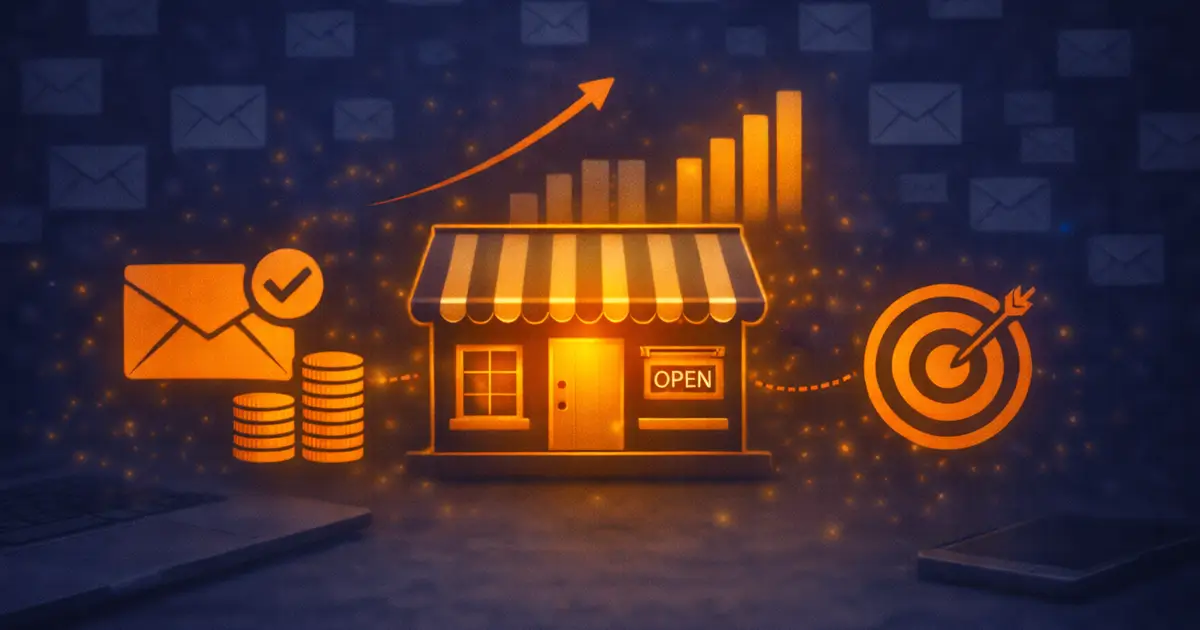
If you want your business to grow, you need a clear plan to connect with your target audience effectively. Email is one of the best ways to do this. It helps you build trust, share updates, and remind customers about your services. With the right plan, simple messages can turn into real sales.
This type of strategy provides you with more value for your money. You don’t need a big budget to send emails. Unlike ads that vanish quickly, emails stay in inboxes. People open your messages when they have time, and they read them more often as a result.
For companies that sell to other businesses, a well-crafted B2B email marketing strategy is beneficial. It lets you speak clearly and offer practical ideas. Also, learning the best day to send marketing emails can help improve open rates and responses.
When you take the time to develop a strategic email approach, your business will be in a stronger position to grow and stay connected with the right audience.
Mastering Email Segmentation for Better Targeting
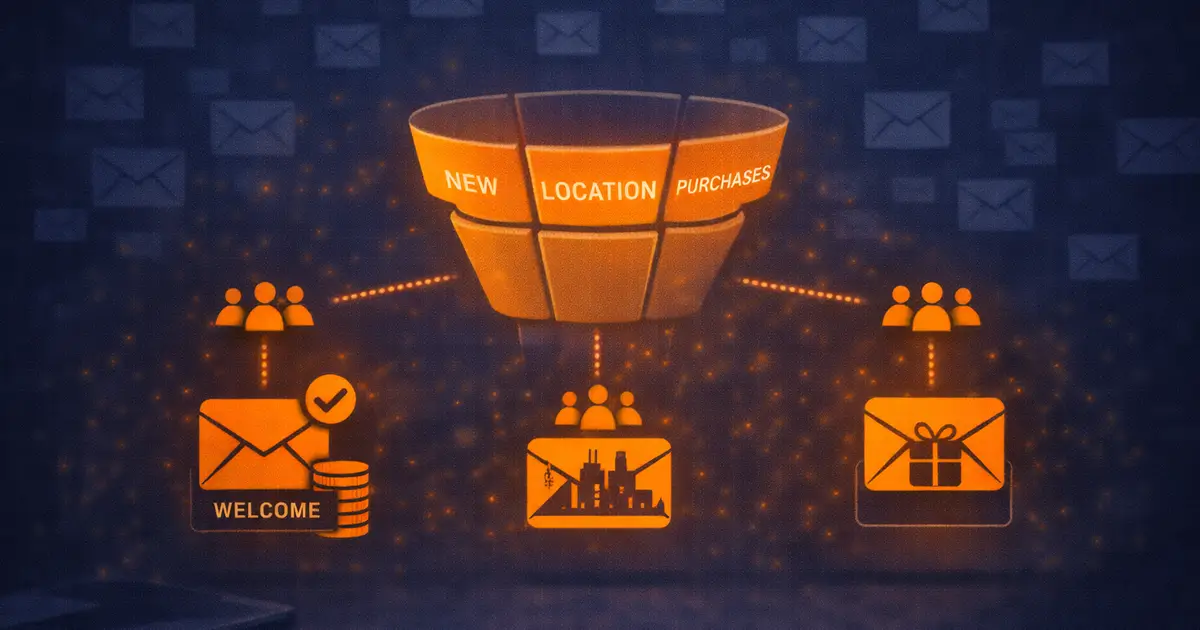
Not every customer is the same, so sending the same email to everyone won’t work. That’s why savvy marketers divide their contact lists into smaller, more manageable groups. Group people by age, location, or past purchases. It helps make emails more useful.
For example, new customers may need a welcome message, while regular buyers might want news about your latest offers. When people get emails that match their needs, they’re more likely to read them and take action. This gives better results for each message sent.
Using email segmentation in your email marketing strategy also saves time. Instead of writing many emails from scratch, you can tweak one version to match each group. It’s simple, quick, and works better than guessing.
Drip email marketing becomes even stronger with groups like these. You can send out emails that align with each step of the customer’s journey. With the right plan, your emails feel personal and help your business grow.
How Email Personalization Drives Higher Engagement
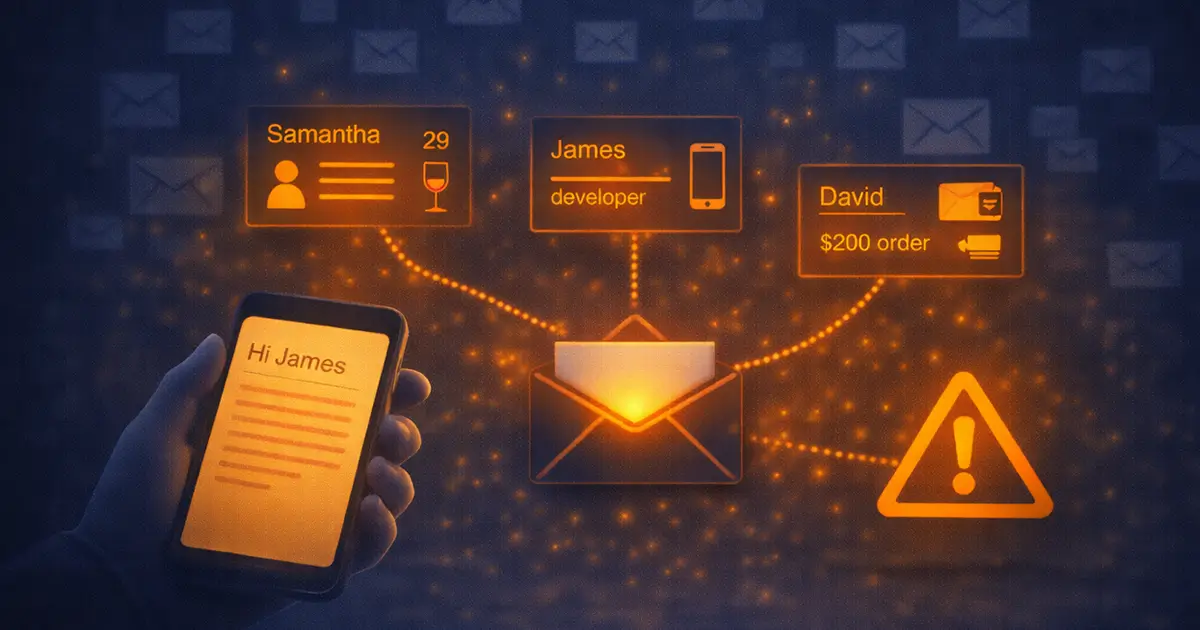
People like to feel noticed. That’s why email personalization works so well. It means using someone’s name, past orders, or likes to write emails that feel personal. When people feel seen, they are more likely to open your message and take action.
You don’t have to write a new email for each person. You can use simple tools to add small details that make a big difference. Personalization makes your emails stand out. It demonstrates that your business understands who its customers are and what matters to them.
To achieve this more effectively, consider using email segmentation. You can group your contacts by age, job, or previous purchases. Then, you send each group a message that fits their needs. After that, you add personal touches to each email.
When you incorporate these steps into your email marketing strategy, your emails will become more effective. You’ll see more opens, more clicks, and stronger relationships with the people you want to reach.
Building a B2B Email Marketing Strategy That Converts
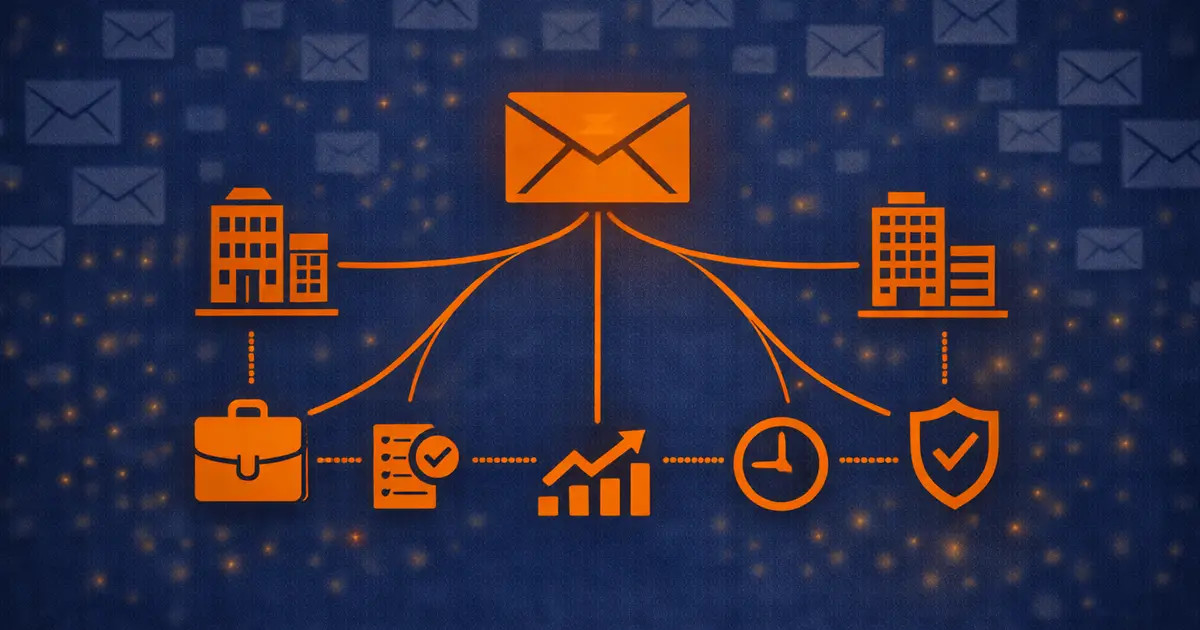
Email is also an effective way to sell to other businesses. A robust B2B email marketing strategy enables you to communicate effectively and deliver genuine value. These emails should help business owners save time, solve problems, or find new ideas. Helpful and straightforward messages work best.
A B2B email strategy is a crucial component of your overall email marketing strategy. It focuses on delivering valuable content to individuals who make significant decisions. Use a calm and clear tone. Keep each message concise and ensure it’s easy to read. That way, busy readers can act fast.
You can also add email personalization to make your messages feel more direct. Use their personal name, business name, or mention something they do. This shows that you’ve taken time to learn about them. It makes your message stand out.
When your email strategy has clear goals and thoughtful planning, you get better results. Businesses will notice your emails, trust what you say, and take action when it matters most.
Creating Automated Email Campaigns That Deliver
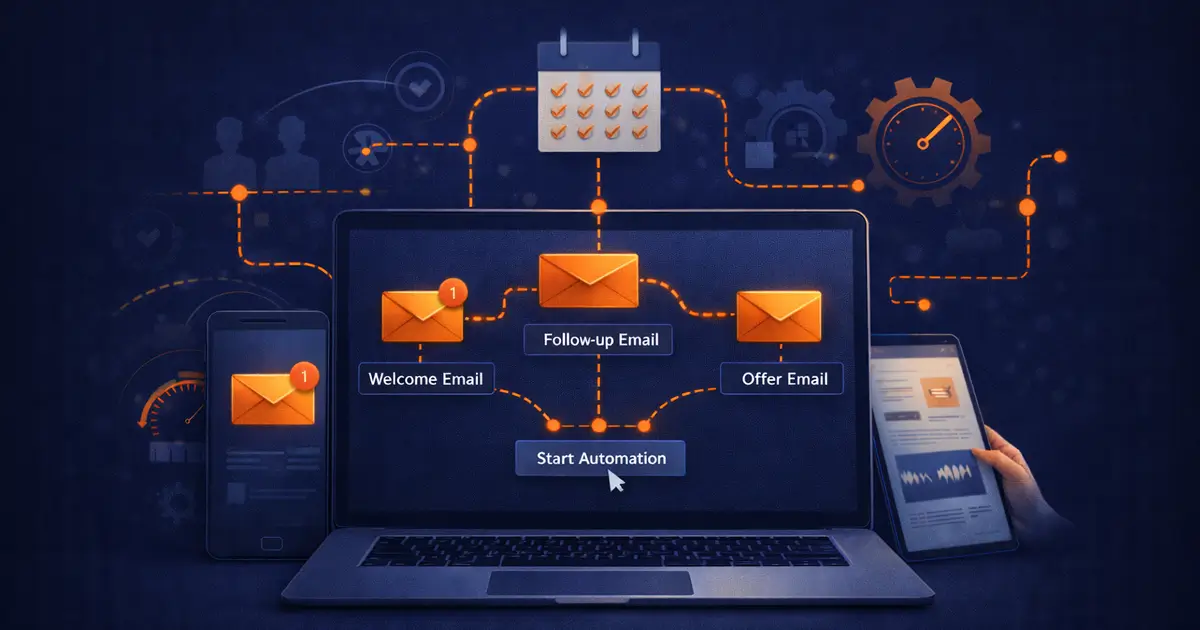
Automated email campaigns help you send the right message at the right time without requiring you to do all the work yourself. You set up these emails to send automatically when someone signs up, makes a purchase, or clicks a link. It’s fast, easy, and saves you time.
Utilizing automated campaigns in your email marketing strategy makes things simpler and more effective. You can create a complete set of emails that go out one after the other. For example, you might send a welcome email, then a follow-up, and later a special offer. You only have to set it up once.
This works well for all businesses, including those with a B2B email strategy. It helps you stay in touch without having to send every email by hand. Plus, it keeps your brand in front of people while they’re still interested.
With a bit of planning, automation enables your emails to work more efficiently. It’s a great way to save time and get better results from every message.
Why Drip Email Marketing Works for Nurturing Leads
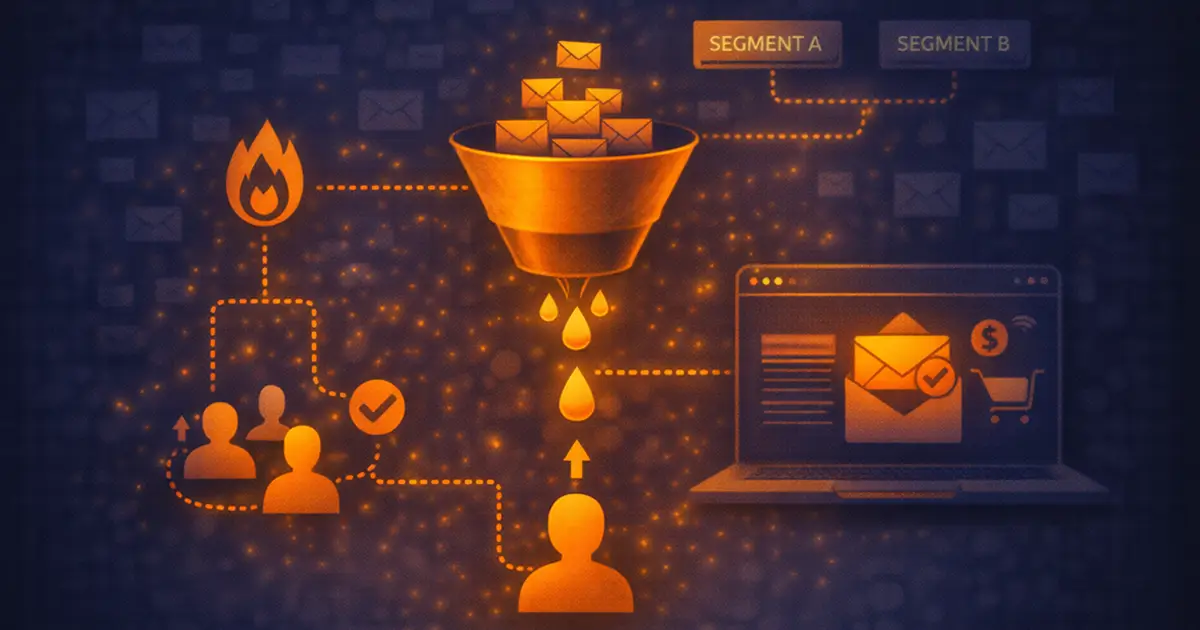
Drip email marketing is a smart way to maintain ongoing contact with individuals over time. Instead of sending one big email, you send a series of small messages. These messages go out slowly, like drops from a tap. Each one builds on the last to keep people interested.
This type of plan works well when someone signs up, requests more information, or clicks on something you’ve shared. You can guide them step by step until they are ready to make a purchase. That’s why email marketing is great for turning leads into customers.
You can utilize email segmentation to send targeted drip messages to specific groups. That way, you send each person emails tailored to their needs. This makes every message more helpful.
Adding drip emails to your email marketing strategy provides a more effective way to follow up. It ensures that your brand stays fresh in people’s minds and builds trust over time. With the proper setup, these simple messages can yield significant results.
Best Practices for Email Subject Lines That Get Opened
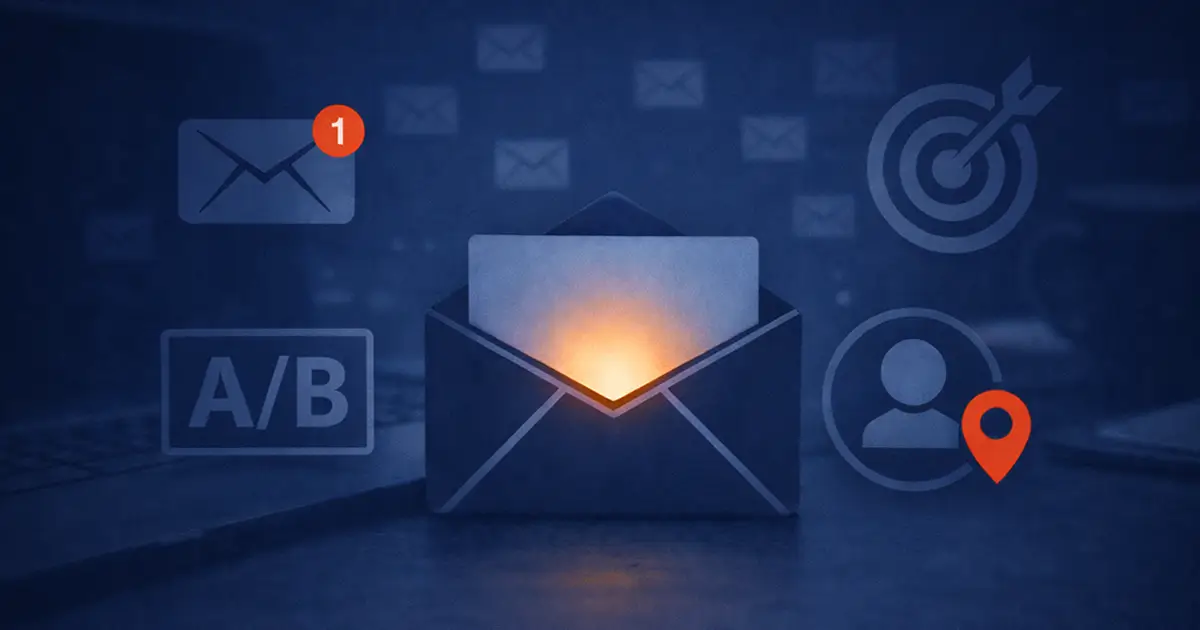
Your email subject line is the first thing people see, and it matters a lot. If it’s boring, they might not even open your message. That’s why learning the best practices for email subject lines is so important. A good subject line is short, clear, and makes people curious.
Start by using words that will catch the reader’s attention. You can ask a question, share a benefit, or create a sense of urgency. Adding email personalization, such as a name or location, can also be helpful. People are more likely to open something that feels like it was made just for them.
The best practices for your email subject lines also include testing different options. Try two versions and see which one works better. A slight change in wording can make a massive difference in the number of people who open your email.
This part of your email marketing strategy will help improve results from the very start. When your subject lines are strong, more people will read your message—and that’s the first step toward action.
Email Marketing Best Time to Send for Great Results
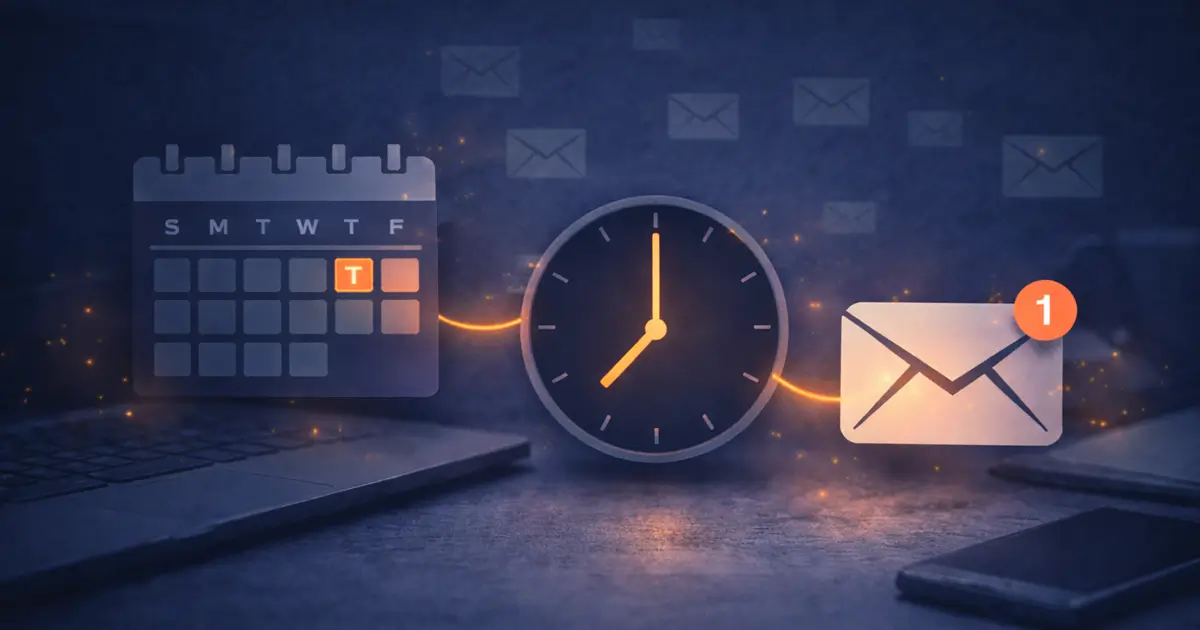
Timing can make or break your email results. You can ruin even a great message by sending it at the wrong time. That’s why it’s essential to learn the email marketing best time to send emails. When you choose the right time, more people will open and read your message.
Studies show that mornings and mid-week days are often the most effective times for productivity. Many businesses find that Tuesday is the best day to send marketing emails. People are settled into their week and more likely to check their inbox. But the right time can vary, depending on your audience.
Finding the best time to send emails means testing different days and times. Monitor when your readers open emails and adjust your approach accordingly. Even a slight change in timing can boost your results.
Adding this step to your email marketing strategy can make a big difference. You’ll stop guessing and start sending emails when your readers are ready. Better timing means better chances to connect, engage, and grow your business.
Choosing the Best Email Campaign Management Software
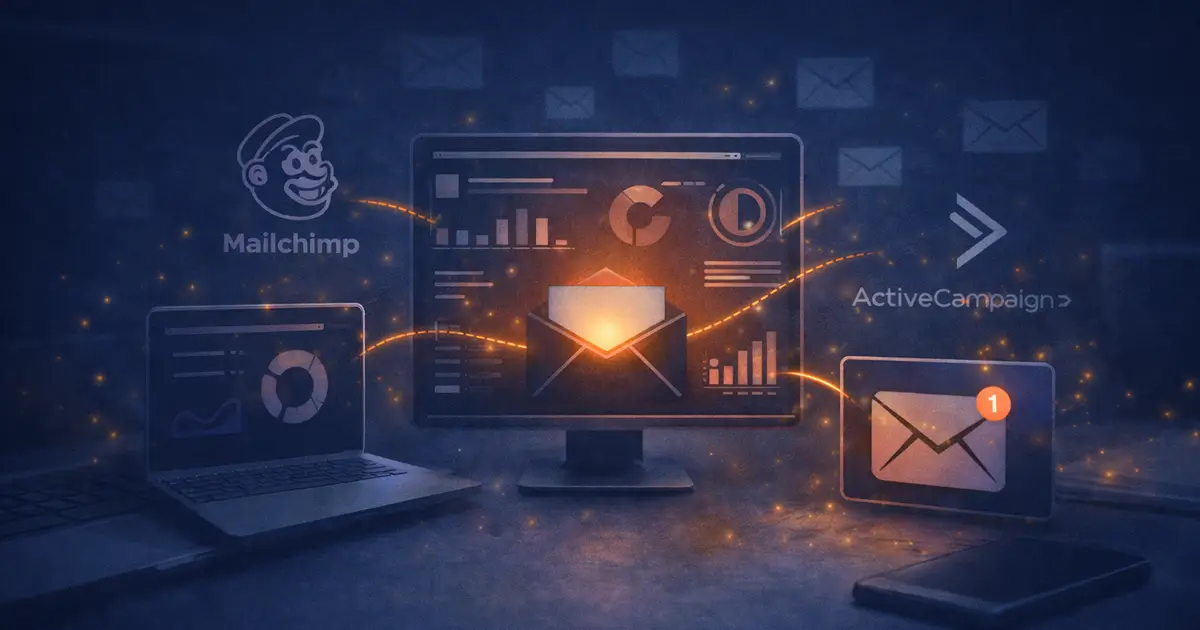
Email is easier to manage when you use the right tools. Email campaign management software helps you write, check, and send your emails. You don’t need to do it all by yourself. These tools also track who opens your emails and what they click on.
Popular choices include Mailchimp, ConvertKit, and ActiveCampaign. They are easy to use and great for all businesses. If you follow a B2B email marketing strategy, these tools help you reach other companies with clear and practical messages.
This software also supports email personalization. You can add someone’s name or include details about what they like. This makes each email feel friendly and direct.
When integrated into your strategy, email campaign management software helps you save time and achieve better results. You can plan emails and send them when they matter most. These tools help your messages reach the right people and grow your business by sending more effective and intelligent emails every time.
Measuring, Tweaking, and Avoiding Email Strategy Mistakes
Even the best plans need to be monitored and improved. That’s why it’s essential to watch the performance of your emails. A smart email marketing strategy includes time to measure your results. You should know how many people open your emails and click on the links within them.
If your emails are not working well, you can make small changes. Try new subject lines or shorter messages to see if they improve your response rate. Add email personalization to make each email feel more direct. Small changes can lead to big improvements.
You should also check how well your email segmentation is working. If people are not responding, they may be in the wrong group. Sorting contacts better can help you send more useful messages. Don’t forget to review your automated email campaigns.
Make sure they are still up to date. As your business grows, you may need to adjust or replace parts of your emails. By regularly measuring and adjusting your email marketing strategy, you’ll avoid mistakes and continue to achieve better results. A few smart changes can make your emails stronger every time.
Frequently Asked Questions
What’s the email marketing best time to send for better engagement?
The best time to send emails is usually on weekday mornings. However, results can vary, so test different days and times to find what works best for your specific audience.
What are the best practices for email subject lines that drive results?
Keep subject lines short and precise. Use friendly words and spark interest. Try two versions to see which one performs better. Small changes can lead to more openings.
How do automated email campaigns improve performance and timing?
They save time and send messages at the right moment. You can set them up once and let them run. It helps you stay in touch with your audience more often.
Why is drip email marketing more effective than bulk blasts?
Drip campaigns send smaller messages over time. This gives readers time to learn and respond. It feels more natural and builds stronger connections than a single, overarching message.
What’s the best day to send marketing emails to get responses?
Tuesday and Thursday are common picks, but you should always test. Your audience may respond better on different days, so track your results and adjust your timing accordingly.
Which email campaign management software should I use to stay organized?
Pick a tool that suits your business size and needs. Check for features like send times, reports, and templates. The right software makes email work easier and faster.
Conclusion
A strong email marketing strategy can help any business grow. It allows you to send clear, helpful messages that reach people at the right time. With the right plan, you avoid wasting time and effort. Every email you send can help build trust and increase sales.
You’ve learned how to use tools like email personalization to make your messages feel more real. You’ve also seen how planning and minor adjustments can improve the effectiveness of your emails.
Your next step is to build your own email marketing strategy. Apply what you’ve learned to craft emails that resonate with your audience and align with your goals. With wise choices and a simple plan, email can become one of your most effective tools for success.
Implement an Email Marketing Strategy for Consistent Business Growth
Let The Strategic Tech help you achieve more opened emails, stronger clicks, and steady results through an email marketing strategy that feels personal and timely, supported by smart email segmentation that keeps messages relevant and easy to act on. Start by requesting your free Email Marketing checklist today.