Introduction
Online fraud is a big problem. If your store isn’t protected, hackers can quickly steal your data. Without good ecommerce cybersecurity, both your store and your buyers are at risk. You could lose money and trust very quickly.
Effective ecommerce cybersecurity begins with identifying potential issues early. This can be achieved through ecommerce fraud detection, thus preventing problems from escalating. Watching for strange activity helps you stop fraud fast. This is the first step in making your store safe for every customer.
Improve Ecommerce Fraud Detection to Catch Threats Fast
Fraud detection helps you find signs of trouble. Look for unusual orders, rapid checkout times, or significant location changes. These things may mean someone is trying to steal from your store. Catching it early keeps you safe.
Ecommerce fraud detection programs check these things for you. They track orders, users, and traffic. These tools are part of good ecommerce cybersecurity. They also help improve payment gateway security for each payment made.
Stopping fraud early saves money. It also keeps your real customers happy. You can block fake users, stop bad payments, and avoid losing your products. That means less stress and more sales.
Knowing the signs means you can move fast. You don’t have to guess. You watch and act. Now, let’s look at ecommerce fraud prevention. It helps block attacks before they start and keeps your store safe every day.
Strengthen Ecommerce Fraud Prevention Across Your Store
Fraud prevention stops problems before they start. This protects your store from chargebacks, stolen goods, and fake orders. Strong defenses help you keep your customers safe. They keep your store open for genuine buyers only.
Simple steps work well. Use CVV checks, address verification, and limits on the number of times a card can be used. These tools support your ecommerce cybersecurity. They make it harder for bad users to get through.
Ecommerce fraud prevention also involves verifying each order through your API payment gateway. These systems confirm the payment before it goes through. That way, you stop fake payments from reaching your bank or records.
Good prevention plans stop trouble early. They make your store stronger. When you block fraud, you save money and time. Next, let’s explore the tools that help identify threats in real-time. These are known as fraud detection tools, which continuously monitor your store 24/7.
Why Fraud Detection Tools Are Your Store’s First Alert
Fraud detection software works in the background. They look at every payment, page visit, and shopping action. These tools help you spot potential threats before they reach your store. That’s why they’re a key part of ecommerce cybersecurity.
When used in conjunction with alerts and reports, these tools enhance your protection. They work with ecommerce fraud detection to track strange actions. These include large orders, repeat tries, or unknown IP addresses. You get early warnings before things go wrong.
Fraud detection tools also help you follow credit card data security standards. They check each payment and confirm the steps in the process. That way, your store meets the rules and keeps your buyers’ data safe.
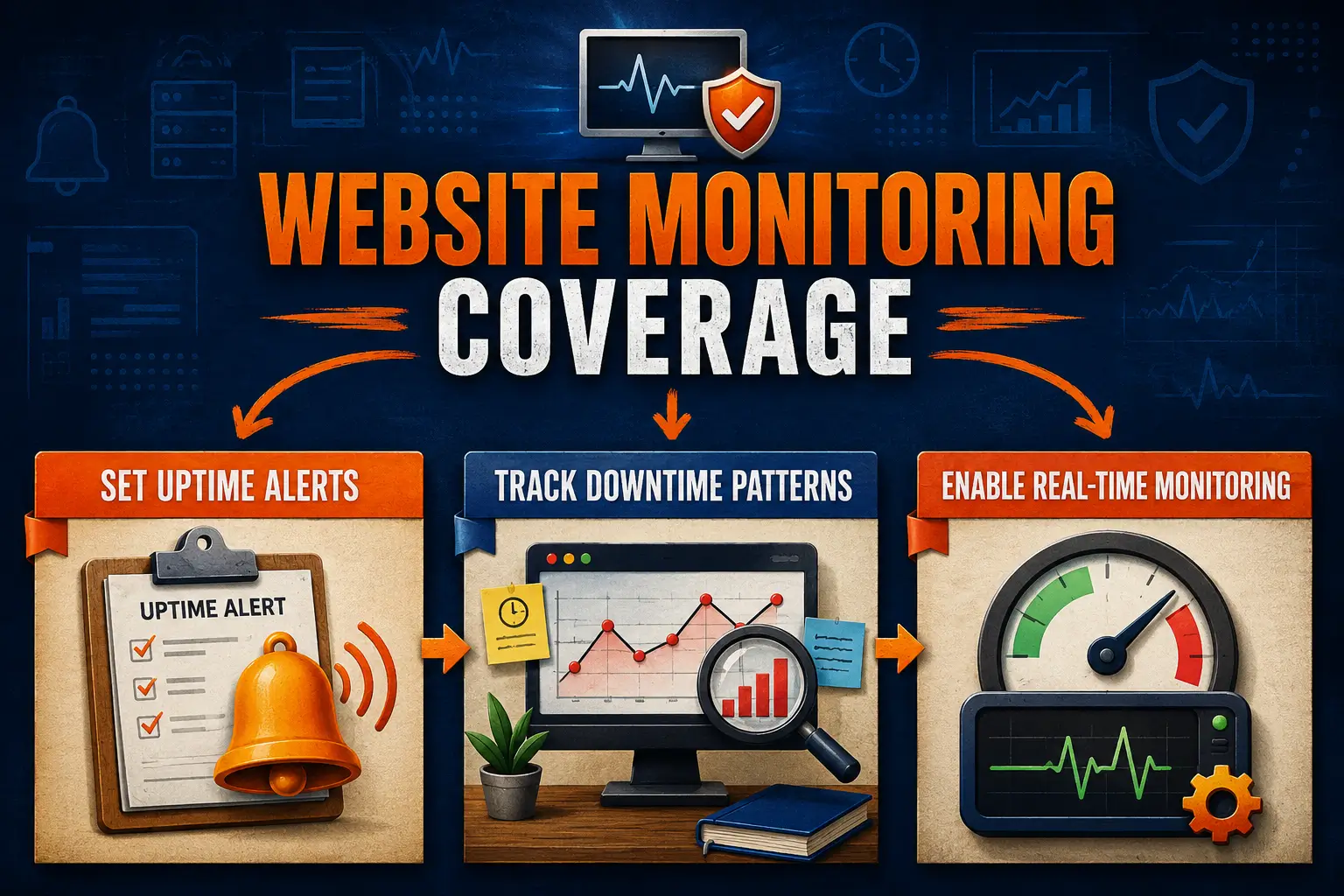
These tools continuously monitor your website. Now, let’s look at payment channels. Every place where buyers pay needs to be protected. From cards to phones, your next layer of safety starts at the payment gateway.
Secure Every Payment Channel with the Right Gateways
Ecommerce cybersecurity helps protect every way people pay. This includes cards, mobile apps, and even crypto. Each method needs the right tools to stay safe and stop fraud before money or data is stolen.
These payment paths are big targets for scams. A strong ecommerce cybersecurity setup watches every step and checks for red flags. It integrates seamlessly with tools like firewalls and fraud alerts to identify issues early.
To stay safe, you need rules such as PCI encryption requirements. You also need two-factor authentication checks. Many buyers now use secure mobile payments, so your store must protect these too. All channels must be safeguarded to maintain high trust.
If you skip safety, gateways become weak spots. That’s why ecommerce fraud detection and prevention tools should work together. Each part supports the other. Now, let’s close by discussing how daily checks and rules help keep your store safe and your customers happy.
Maintain Compliance and Monitor Your Store’s Cybersecurity Daily
Ecommerce cybersecurity must be checked often, not just once. Update settings, run scans, and be vigilant for new risks. That keeps customers and your business safe every day.
Staying compliant helps you avoid significant risks. Cybersecurity PCI compliance involves keeping to security rules. These rules ensure the safekeeping of credit card data. These rules also protect you from fines. They also give customers more reasons to trust your online store.
Daily alerts catch problems fast. When paired with fraud detection tools, these alerts help prevent attacks from escalating. They also support your ecommerce fraud prevention efforts by showing you where updates are needed.
Good security habits keep your store strong. What you do each day makes a big difference. Now, let’s bring it all together and see how your store’s cybersecurity builds lasting trust.
Frequently Asked Questions
How can I strengthen payment gateway security on my ecommerce site?
Keep checkout safe and set strong passwords. Enable two-factor authentication (2FA) for added security. Also, use trusted payment providers, and run HTTPS on every payment page.
Do I need an API payment gateway for mobile checkouts?
Yes. It lets your store connect directly to mobile apps. This makes the payment process fast and smooth for your customers. It also keeps the data safe while moving.
What are the credit card data security standards I should follow?
You should follow PCI-DSS rules. These include data encryption, access limits, and strong passwords. They ensure your store handles payments in a safe and trusted manner.
What does cybersecurity PCI compliance entail for online stores?
It means following the key rules for cardholder data. This includes using secure systems, updating software, and restricting access to data.
How do PCI encryption requirements protect user payments?
These rules make sure payment data is hidden from others. When someone pays, the information is turned into code. Only the right system can read it.
Are secure mobile payments safe for high-volume ecommerce?
Yes, they are safe if set up right. Use trusted providers, require user ID verification, and keep apps up to date. These steps help protect your store from fraud.
Conclusion
Ecommerce cybersecurity helps keep your store safe. It protects payments, blocks fraud, and gives buyers a reason to trust you. These small steps make a big difference in how people see your online shop.
Use fraud detection tools and regularly check your payment pages. Each part helps stop danger before it starts. When your store feels safe, more people are likely to stay and shop. That’s how you grow your business the smart way.
Strengthen Ecommerce Cybersecurity to Protect Your Store Today
Take control of your store’s safety with strong ecommerce cybersecurity and advanced ecommerce fraud prevention. At The Strategic Tech, we utilize trusted tools to block fake orders, secure buyer payments, and foster lasting customer trust. Start protecting your business today.