Introduction
Connect your website, content, email, and socials in one plan with digital marketing integration. This way, you get clear goals, a wider reach, and easy tracking. Run small tests to guide each step. Watch user signals and use learning loops to boost your plan.
Digital marketing integration allows channels to work as one. It speeds results and keeps teams aligned. Share clear goals and timelines, and map paths from post to page to email. Let’s begin with planning an integrated marketing approach.
Adopt an Integrated Marketing Approach to Unify Channels
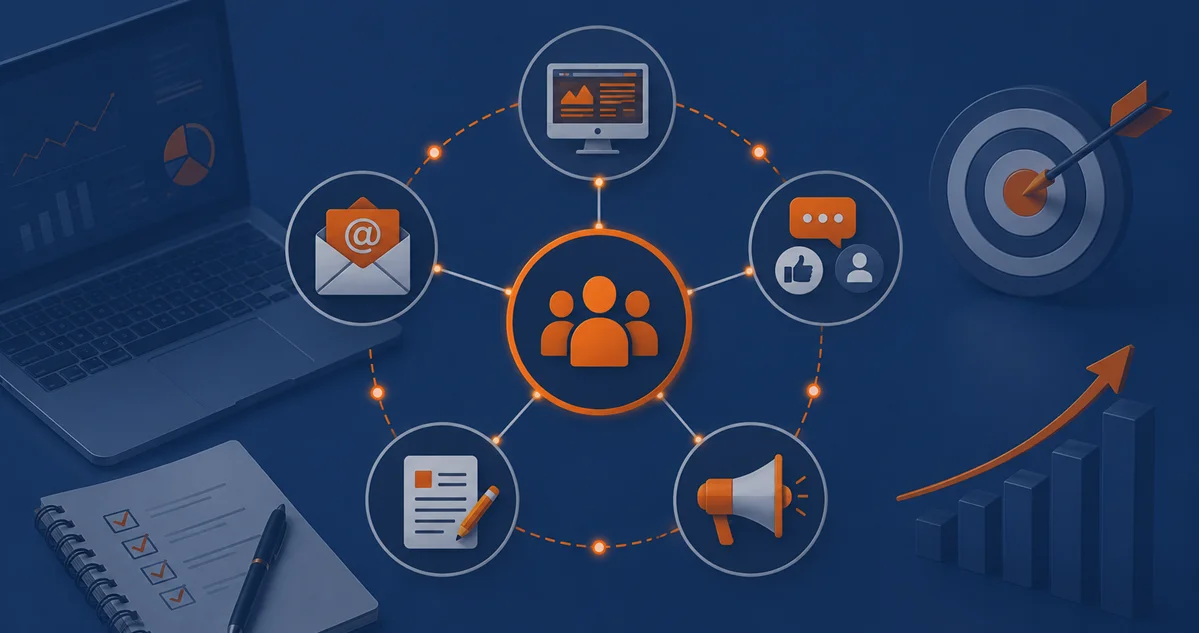
Integrated marketing puts website, email, content, and social media into one plan, setting shared goals and clear roles. This helps teams avoid double work and enables leaders to see one view and make adjustments fast whenever signals change.
One roadmap synced a launch across posts, pages, and email. A short schedule named owners, assets, and dates. The team set online customer engagement targets for clicks, replies, and signups. After four weeks, traffic rose tremendously.
Clear choices come faster when digital marketing integration links tools and teams. An integrated marketing approach guides copy, timing, and spend. Teams compare results and double down on paths that move people from post to page and email.
Keep one plan, one calendar, and one report. Share short notes with owners and review weekly while acting on proof. Protect focus and drop weak ideas. Next, map key topics, formats, and timing across channels using a cross channel marketing strategy.
Build a Cross Channel Marketing Strategy for Consistency
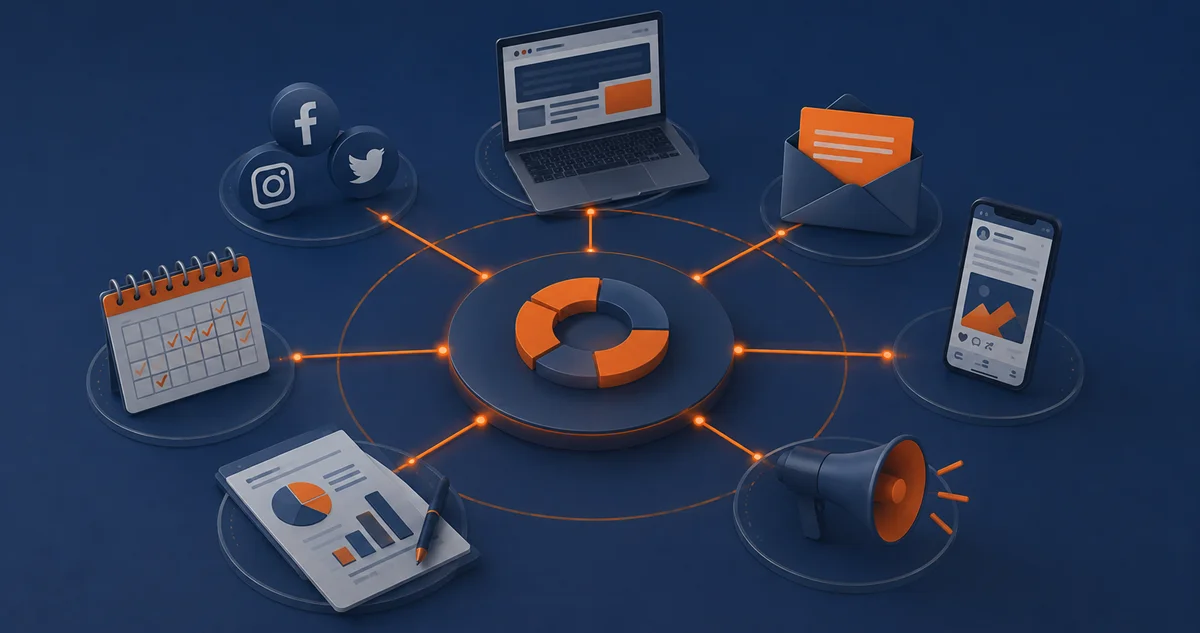
Digital marketing integration links and tracks goals, so every channel supports one message and journey. Ensure that topics, formats, and timing align across your website, email, and socials. Use one calendar and set owners for consistency.
A hub-and-spoke plan holds core topics in the hub. Spokes adapt for posts, emails, and ads. Track owners, assets, and versions with content marketing tools. A short weekly standup clears blocks, and each page shows dates, links, and progress for everyone.
A cross channel marketing strategy makes tests easy to compare. See which path wins, then shift your time and budget to it. Shared tags link posts, pages, and emails, which enables teams to hand off faster and track results together.
Keep the plan simple and visible. Use one calendar, short notes, and clear owners. Review weekly and act on proof, not guesses. Close the loop with a checklist. Next, link posts, pixels, and pages with social media integration.
Use Social Media Integration to Extend Reach
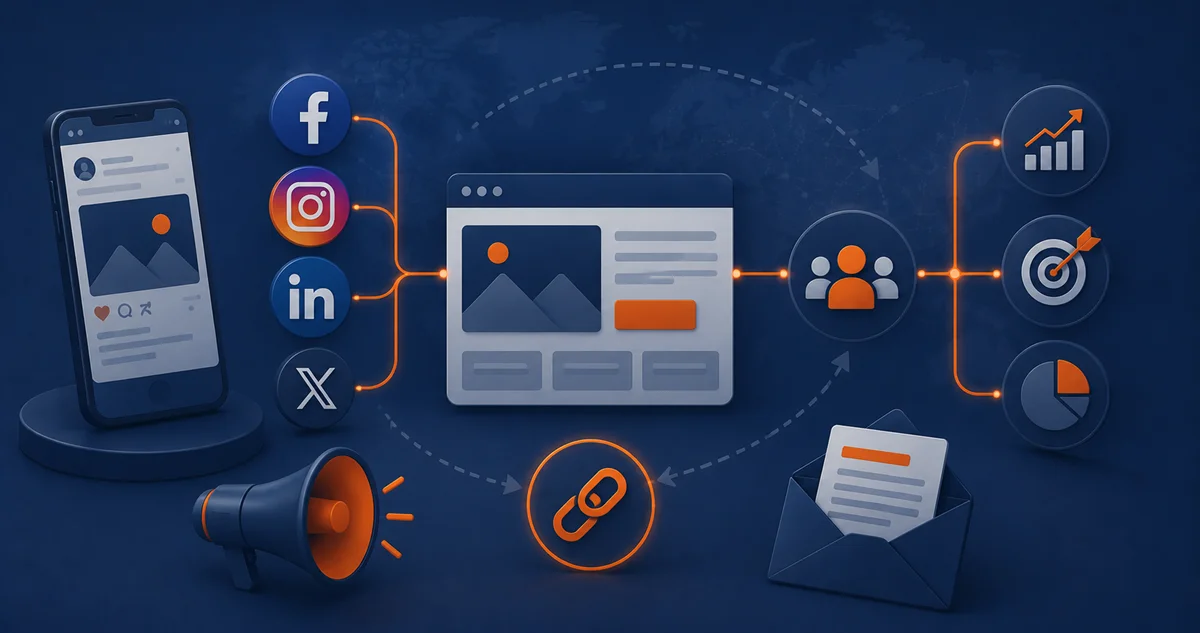
Integrate social media so posts, ads, and pages work as one, letting people move with ease. Tie pixels and tags to one plan, and match messages with corresponding landing pages using digital marketing integration. This enables users to follow paths across all channels.
With social media integration, you send visitors to a landing page, run a post-to-page flow, and track it end-to-end. Watch social media engagement metrics like clicks and shares, tag traffic, track bounce rates, and measure signups to see results.
Linked channels build trust and reach, as people see the same promise and find the same offer. With digital marketing integration, reporting stays simple. You compare paths and scale winners. Teams also save time and spend where returns are most substantial.
Keep posts, pages, and emails in sync. Share notes and a calendar. Review weekly and act on proof. Close weak routes and back strong ones. Next, plan page layout and offers so paths stay clear and fast across pages.
Design Pages that Support Channel Paths and Offers
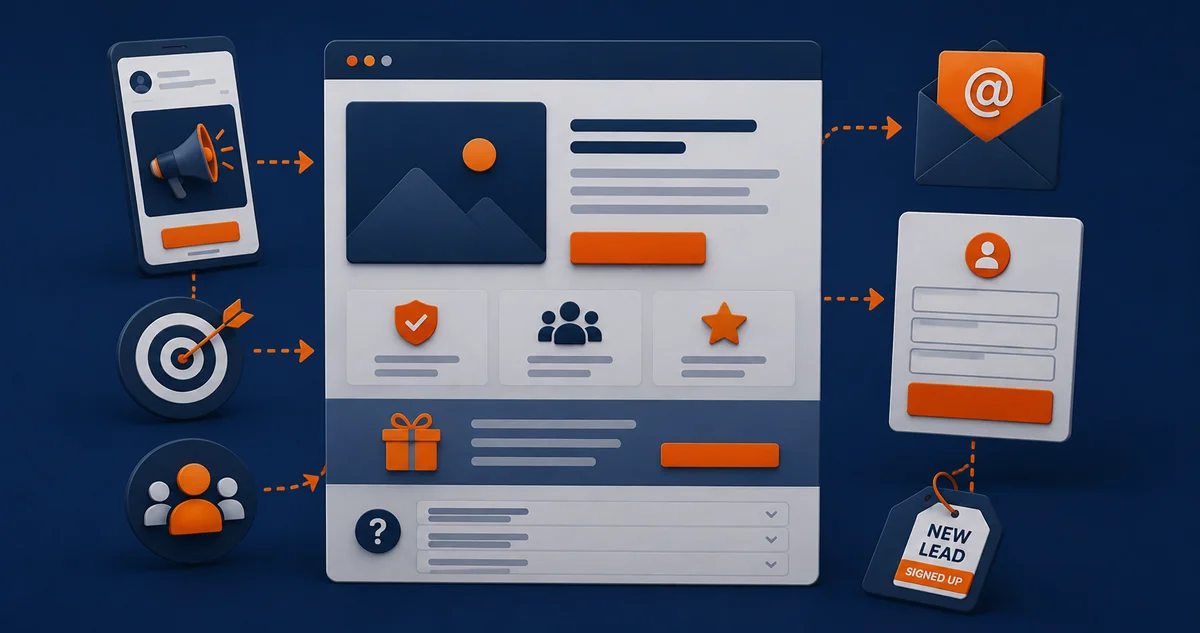
Design pages that guide users from ad to action. Use digital marketing integration to align page content with the promise per channel. Place headline, proof, offer, and action in a simple order. Clear layouts reduce effort and lift conversions.
Use modular blocks for hero, proof, offer, and FAQ. Tie forms to email campaign design and set tags for email list building. Test labels and fields and track signups, bounces, and time with precise reports.
Clean pages, fewer clicks, and clear steps help build trust. An integrated marketing approach ensures that copy and offers are in sync, and social media integration aligns posts and pixels. These enable users to see matching content from the feed to the page.
Keep pages simple. Use short copy, proofs, and one clear action. Remove clutter that slows users. Share notes and owners for each page. Next, measure the page to email to sales with reports, then improve weak steps and scale wins.
Measure and Improve with Unified Reports
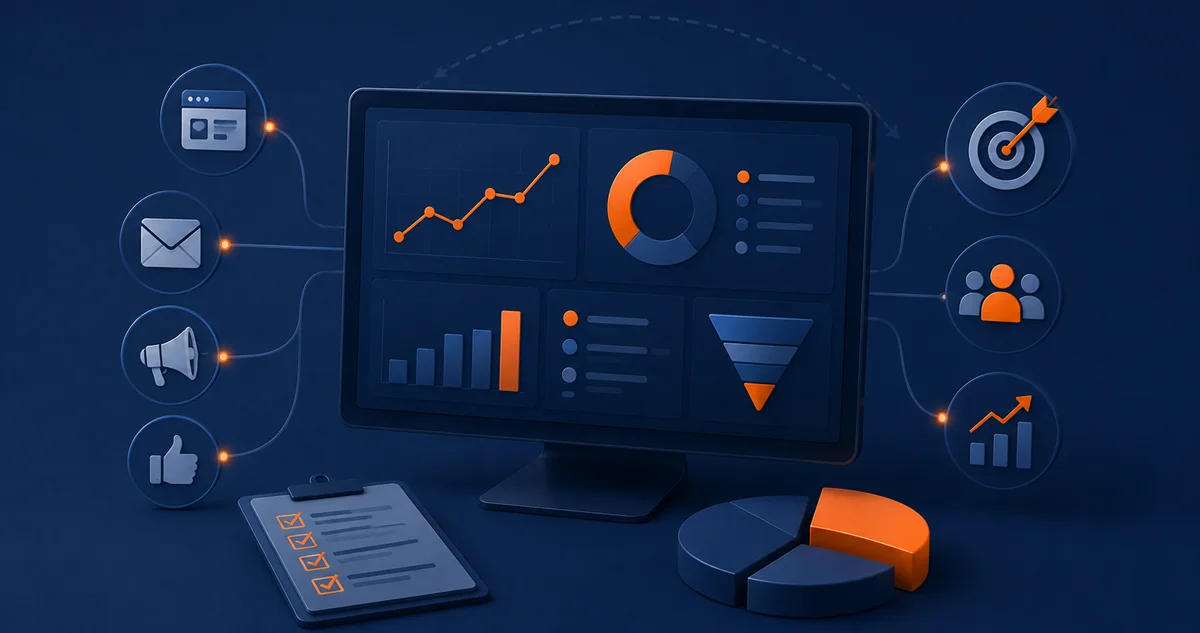
Build one dashboard to track journeys. Use digital marketing integration to link pages, email, and sales. Tie views to your cross channel marketing strategy, so teams see a single score. Shared tags and goals make trends clear and actionable weekly.
A page to email to the sales view showed which path won. After tests, a clear offer raised signups. With email marketing optimization, they set better subject lines and sending times. Teams saw a lift in days, then quickly moved the budget to the winner.
Unified reports enable better targeting and timing. An integrated marketing approach links teams to one plan so that results can be compared accurately. You see which path works, then you can adjust bids, content, and timing to boost returns.
Define events, verify tags, test reports, compare paths, and pick the next fix. Review weekly, then share notes and owners. With digital marketing integration, numbers stay in one place, and teams act on valid proof, not guesses.
Frequently Asked Questions
How does email marketing optimization raise conversions across channels?
Test subject lines and send times. Match the promise with the email copy. Track opens, clicks, and sales. Keep winners, drop weak parts, and repeat weekly consistently.
Which steps matter most for email list building when traffic comes from many channels?
Use one offer per page. Keep forms short. Tag sources. Send a welcome email fast. Measure signup rate and fix slow steps.
How should teams plan email campaign design for longer buying cycles?
Map stages from interest to decision. Set cadence and roles. Reuse offers. Keep messages aligned with pages. Review and trim steps that add friction.
Which content marketing tools help align briefs, assets, and deadlines best?
Use one workspace for calendars, files, and versions. Assign owners. Keep briefs with links. Track status, comments, and dates to ensure updates are shipped on time.
How can pages increase online customer engagement without adding friction?
Match promise to page. Use clear headers, short copy, and one action. Reduce steps. Show proof near the action. Test changes and keep what works well.
Which reports best track social media engagement metrics alongside website goals?
Use view for page, email, and sales. Tag campaigns. Compare clicks, bounce, and signups by source. Watch trends by week and pick the next test.
Conclusion
Digital marketing integration links your website, content, email, and social media all in one plan. It cuts steps, keeps messages clear, and reduces friction. This enables users to move with ease, thus building trust. It also allows teams to see one view for action.
Keep cycles short: plan, test, and learn each week. Share proof, then scale winners, and set a calendar as well as owners. Use social media integration to match posts and pages to keep paths clear and grow results fast.
Get Expert Support for Digital Marketing Integration
Let The Strategic Tech help you set clear goals, map paths, and align your teams. Using a cross channel marketing strategy, we connect posts, pages, and email to deliver steady growth. Start improving your digital marketing integration today. Request your digital marketing plan.