


Introduction
SEO means Search Engine Optimization. It’s a method that makes your website show up when people are searching on Google or on other search engines. This beginner’s guide to SEO is for people just starting out. If you run a blog, small business, or online shop, SEO helps more people find you and visit your site.
This guide will teach you what SEO is and why it is essential. You’ll learn how search engines look at websites and how you can make changes to show up in search results. A key part of SEO is understanding how Google ranks keywords. This means finding the best words people search for and using them the right way. We will show you how to use those words in your write-ups.
You will also find tools and tips that are easy to follow, which will enable you to avoid mistakes and improve your website. By the end of this guide, you will be more confident in using SEO to grow your website, thereby reaching a wider online audience.
What Is SEO and Why Does It Matter?
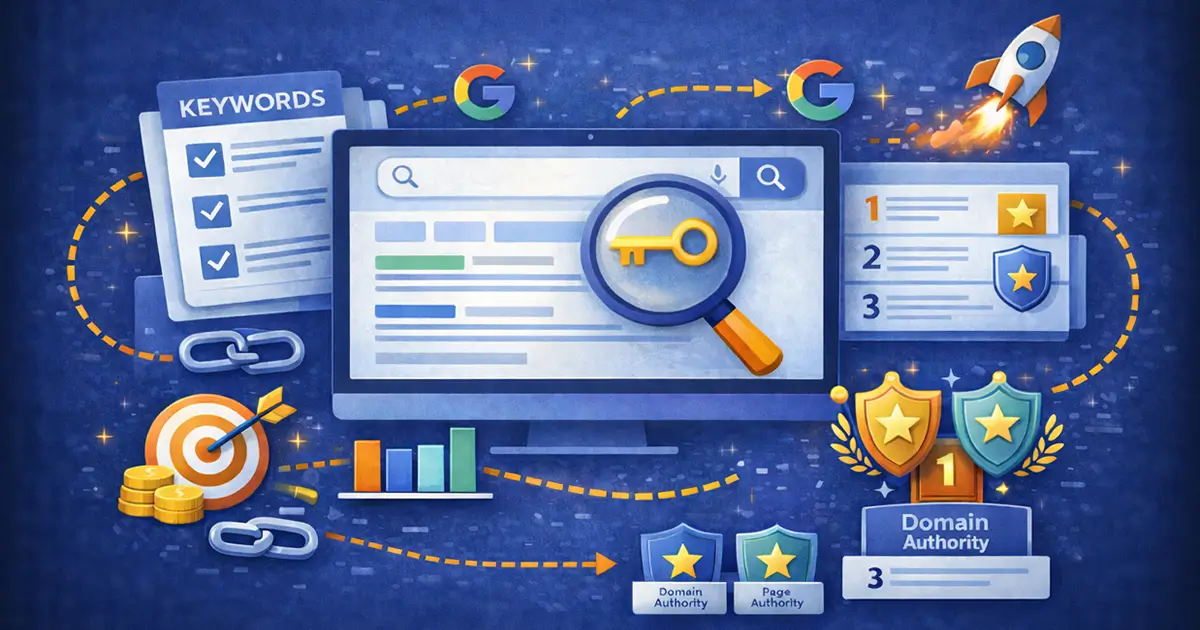
Search Engine Optimization (SEO) helps your website show up in search results when people look for related keywords online. If your site appears higher in the search results, more people will visit. That’s why SEO is essential for growing your website.
In this beginner’s guide to SEO, we will explain how search engines evaluate websites. We will also explore how they scan your content, assess its usefulness, and rank it based on what people search for. This SEO beginner’s guide shows you what to do step-by-step and empowers you to start strong and gain online visibility.
One significant factor is your domain authority and page authority. These terms indicate the level of trust search engines have in your site. The more trusted websites are linked to your content, the higher you tend to rank.
If how to improve your SEO ranking is what you want to know, it begins with the basics. When you follow the steps in this beginner’s guide to SEO, you’ll learn what search engines want and how to make your site stand out. Let’s talk about keyword research and Google keyword ranking.
Keyword Research and Google Keywords Ranking
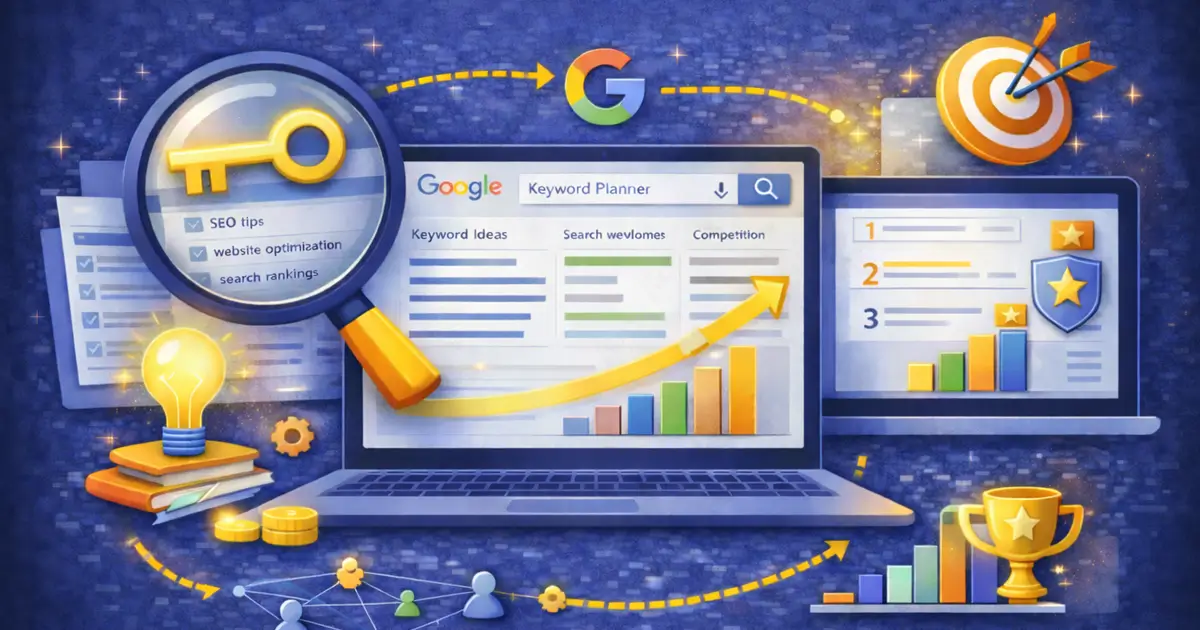
Keyword research is the first step in any strong SEO plan. It helps you learn what people are typing into search engines. Using the right words can improve your site’s chances of appearing in search results.
In this beginner’s guide to SEO, we explain how to identify and use the most effective keywords. Think about what your customers might search for. Then, use Google Keyword Planner to find popular keywords. This step helps you create better titles, blog posts, and product pages.
Understanding Google keywords ranking is key. It shows you which words bring in traffic and how hard it is to rank for them. Selecting the right combination of easy and popular keywords will yield better results with minimal effort.
You should also check the website traffic of competitors. This tells you what’s working for other businesses that do what you do. By utilizing this data, you can create a more effective keyword list and enhance your content. This beginner’s guide to SEO is most effective when you follow the right steps from the start.
Tools Every Beginner Should Use
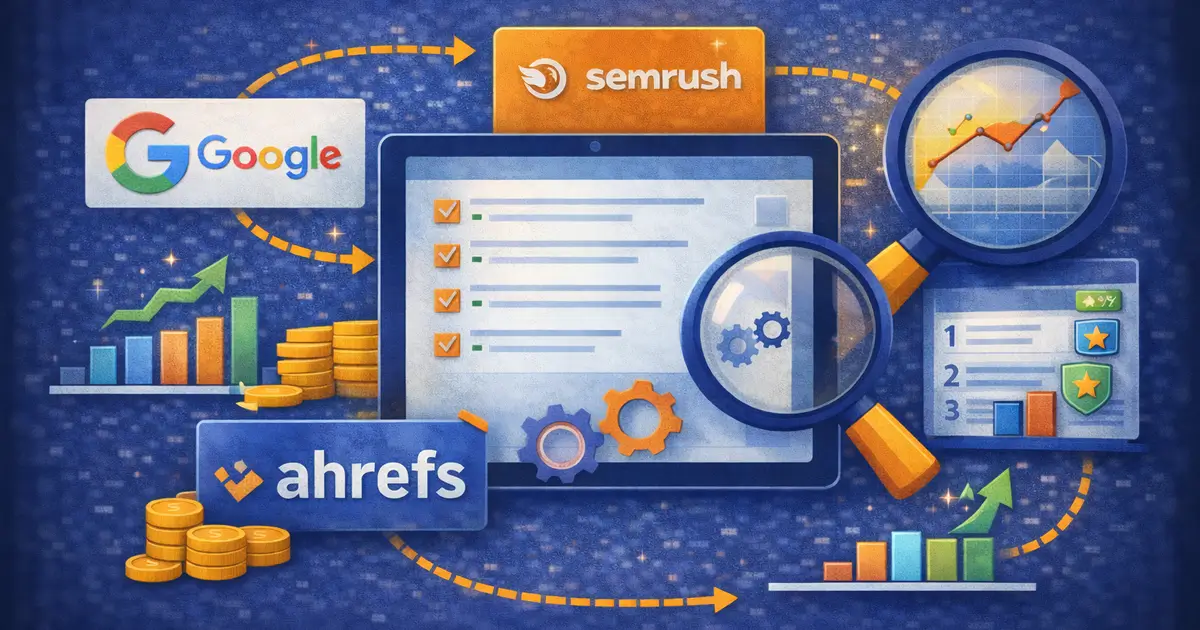
The right tools make SEO easier, even for beginners. They help you find good keywords, track your progress, and identify and correct errors. Some tools are free, while others have more features for a fee.
In this beginner’s guide to SEO, we recommend starting with tools like Google Keyword Planner, Ahrefs, and Semrush SEO tools. These tools show what people are searching for and how your site ranks in comparison to others. They also tell you what changes to make to improve Google keyword rankings.
Semrush SEO tools are great for beginners. They help you find strong keywords, track daily rankings, and check the website traffic of competitors. You can also use them to watch for changes in your website’s traffic.
Another helpful tool is a competitor website analysis tool. It shows which keywords are working for other businesses. This helps you decide what to focus on. This beginner’s guide to SEO is not complete without explaining these innovative tools. When you use the right ones, you get better results and save time while learning.
On-Page SEO: Image Optimization and Content Strategy

On-page SEO refers to optimizing the parts of your website you can control—like titles, headings, meta tags, images, and the words you write. Small changes can help your pages rank higher and reach a wider audience.
In this beginner’s guide to SEO, you’ll learn how to write content that helps search engines understand your site. Use simple titles, short paragraphs, and clear keywords. Ensure your content is clear, concise, and very helpful to your visitors.
Another vital step is image optimization for SEO. When adding images to your website, give them names that match the content. Also, shrink large files so that they can load faster. These steps improve your site speed and help your rankings.
Writing strong content also helps your domain authority and page authority grow. Add internal links to your pages and include helpful facts. That is part of how to optimize your website for search engines. This beginner’s guide to SEO helps you make informed updates that drive more traffic to your site.
Off-Page SEO: Building Domain Authority and Page Authority

Off-page SEO focuses on activities that occur outside of your website. It includes things like getting other websites to link to your pages. These links help search engines view your website as trusted and valuable.
In this beginner’s guide to SEO, we will show you how off-page factors help your site grow. One of your goals is to build your domain authority and page authority. When other trusted websites link to you, your site gains more credibility and will rank higher in search results.
You can build authority by writing guest blog posts, joining online directories, or getting listed in news stories. Sharing your content on different social media platforms can also lead to backlinks. All these actions improve how search engines view your site.
To know what’s working for others, use a competitor website analysis tool. It shows which sites are linking to your competitors and how strong those links are. With tips from this beginner’s guide to SEO, you’ll learn how to grow your site’s reach and get better search rankings.
Technical SEO and Site Health

Technical SEO is all about ensuring that your site functions optimally. A fast, mobile-friendly site that’s easy to navigate helps search engines read and rank your content. If your site is sluggish and users find navigation difficult, it can negatively impact your SEO.
In this beginner’s guide to SEO, we explain how search engines evaluate key factors, including site speed, mobile responsiveness, and crawl errors. Fixing these issues can boost your rankings. A clean, simple site structure is beneficial to both search engines and your visitors. The beginner’s guide to SEO provides a strong foundation for handling these steps effectively.
You can use the Semrush SEO tools to scan your website for errors. Such tools identify problems such as broken links, slow pages, or missing tags. They also help track your progress as you fix each issue.
Some of the best plugins for SEO for WordPress websites make technical SEO easier. These tools provide you with tips and reminders to help keep your site in good shape. When your site is healthy, search engines can crawl and index it way more easily. That’s a big part of how to optimize your website for search engines.
Measuring SEO Growth: Check Website Traffic of Competitors

Once your SEO plan is in motion, you’ll want to track its effectiveness. You need to know what’s working and what needs improvement. Measuring SEO growth enables you to make informed decisions and adjust your strategy accordingly.
In this beginner’s guide to SEO, we show you simple ways to track progress. One of the best tips is to check the website traffic of competitors. If a similar site is getting more visitors, you can study what they’re doing right. Look at their content, keywords, and links.
Using the Semrush SEO tools makes this easy. You can compare your traffic and keywords with those of other websites. These tools also show your ranking for important search terms. You’ll even see how your site performs in Google keyword ranking.
To grow your site, follow the steps in this beginner’s guide to SEO and regularly monitor your competitors’ website traffic. Tracking your numbers helps you see if your work is paying off. When you use that data well, you can grow faster and smarter.
Best Plugins for SEO for WordPress Websites
If you use WordPress, plugins can make SEO much easier. These tools help you handle SEO tasks without needing to code or manually perform every task. That’s a big help for beginners and busy website owners.
In this beginner’s guide to SEO, we recommend using plugins such as Yoast SEO or Rank Math. They review your pages and provide simple tips to help you improve them. These tools guide you on keywords, titles, and descriptions. They also fix technical issues, like redirects, as well as broken links.
Some plugins, such as imagify.io, are excellent for image optimization for SEO. They compress large image files, allowing your pages to load faster. Fast-loading pages enhance user experience, which contributes to higher site rankings. These plugins also help you add alt text, which search engines require to understand your images.
If you want the best tools for SEO for WordPress websites, start with one of these plugins. This beginner’s guide to SEO shows you how to use them well. When you follow the tips, your site becomes stronger and easier for search engines to read.
How to Improve SEO Ranking: Fixing Common Errors
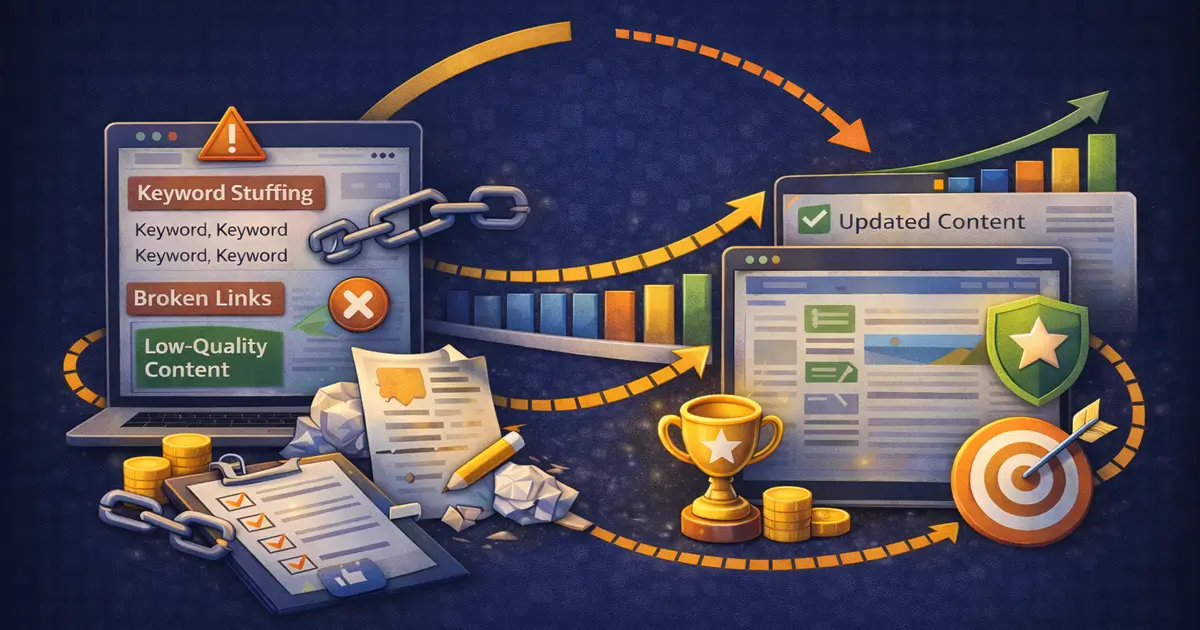
Even a minor mistake can hurt your SEO. Many websites drop in search results due to factors such as keyword stuffing, broken links, or low-quality content. Fixing these errors is a big step in growing your traffic.
This beginner’s guide to SEO teaches you how to identify and resolve these issues. First, check if your pages are easy to read and helpful to your visitors. Don’t stuff your content with keywords—use them naturally. Ensure your pages address the questions people are searching for.
For example, writing on the question of “how to improve SEO ranking” should begin with removing any bad links or updating outdated pages. Keep your site updated and useful. This builds trust with your readers and search engines. Strong content also helps grow your domain authority and page authority.
This beginner’s guide to SEO shows that improving rankings doesn’t mean doing more; it means doing things right. When your website is clear, helpful, and easy to use, your rankings will rise over time with fewer issues holding you back.
How to Optimize Websites for Search Engines: Final SEO Steps

Now that you’ve learned the basics, it’s time to bring everything together. SEO works best when you stay consistent. Continue using the right tools, regularly check your progress, and make minor improvements each week.
This beginner’s guide to SEO helps you follow the key steps that lead to success. Ensure your site loads quickly, functions properly on mobile devices, and features helpful content. When your site works well, both visitors and search engines will trust it more.
Utilize tools like Semrush SEO tools to monitor the performance of your pages. They show which keywords you rank for and what needs fixing. You’ll also see where you stand in Google keywords ranking, so you can make changes that matter.
The last step is to stay active. Update your site often. Add new blog posts, improve old ones, and stay focused on what your audience needs. When you learn how to optimize your website for search engines and apply it over time, your site will grow—and so will your results.
Frequently Asked Questions
What is the best competitor website analysis tool for beginners?
Ubersuggest is an excellent tool for competitor analysis, particularly for beginners. It’s easy to use and shows which keyword phrases your competitors rank for, the amount of traffic they receive, and which content performs best. The clear reports make it simple to learn and improve your site.
Why should I care about image optimization for SEO?
When your images load faster, your whole site works better. Clear, fast-loading pages keep users engaged and help search engines rate your content as more valuable. This improves your site’s performance over time.
How can I quickly check the website traffic of competitors?
You can quickly check your competitor’s traffic using Semrush tools. They display visitor numbers, top pages, and keywords. This enables you to craft way more effective content and enhance your website’s performance.
What are proven tips on how to improve SEO ranking?
Use strong titles, helpful content, and working links. Make sure that your website loads quickly and works smoothly on mobile devices. These simple actions can boost your SEO ranking and attract more visitors.
What are the best plugins that improve SEO for WordPress websites?
Rank Math and Yoast SEO are top choices for SEO plugins. They offer step-by-step tips, check for SEO issues, and help beginners learn how to quickly and effectively improve their SEO ranking.
What are the simple steps on how to optimize your website for search engines?
Start with clear, helpful content and a fast-loading site. Use keywords in titles, headings, and meta tags. Continue to improve your site by fixing errors and adding new pages regularly.
Conclusion
Getting started with SEO can be challenging, but it becomes easier with the right plan. This beginner’s guide to SEO has provided the tools and tips you need to begin. Now that you know why SEO is essential for your website, you have a chance to put to work everything you’ve learned.
Stay in the game, measure your progress, and keep improving your content. By following the right steps and optimizing your website for search engines, you’ll see better results and steady growth over time.
Implement the Beginner’s Guide to SEO That Builds Traffic and Trust
Let The Strategic Tech turn this beginner’s guide to SEO into steady website traffic, stronger search visibility, and real growth for your business. Get improved rankings, more visitors who stay longer, and a site that earns trust and confidence over time. Start by requesting your free Search Engine Optimization (SEO) checklist today.