This quick implementation guide gives you the fastest steps to apply the lessons from the full article. Use the three actions below to make immediate progress today.
Step 1 — Build Drip Flow
What to do
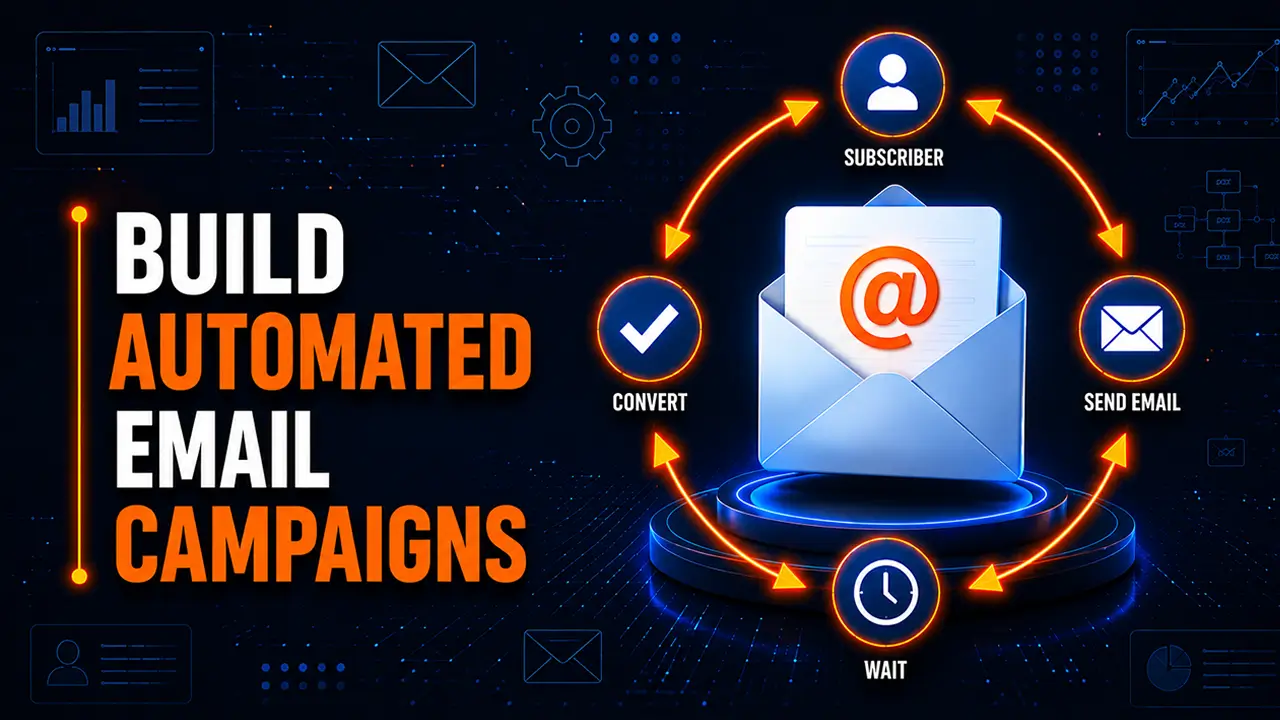
Create a three-email welcome drip that reacts to signups and clicks, with one clear goal per email.
Why it matters
A clear drip flow builds trust fast, keeps leads engaged, and moves them toward purchase with less pressure.
How to apply it today
Draft the 3 emails today: thank-you, quick tip, then one strong CTA. Add proof beside the first CTA, and branch email 3 based on a click.
Step 2 — Set Trigger Rules
What to do
Map triggers, segments, and timing rules, then test automation on one small list segment before scaling further.
Why it matters
Good rules send the right message at the right time, cut waste, and reduce errors and rework.
How to apply it today
Choose one trigger, like signup or product-page click. Write the next email and the delay time. Run it on one segment, track clicks, and log every error you find.
Step 3 — Run Weekly Checks
What to do
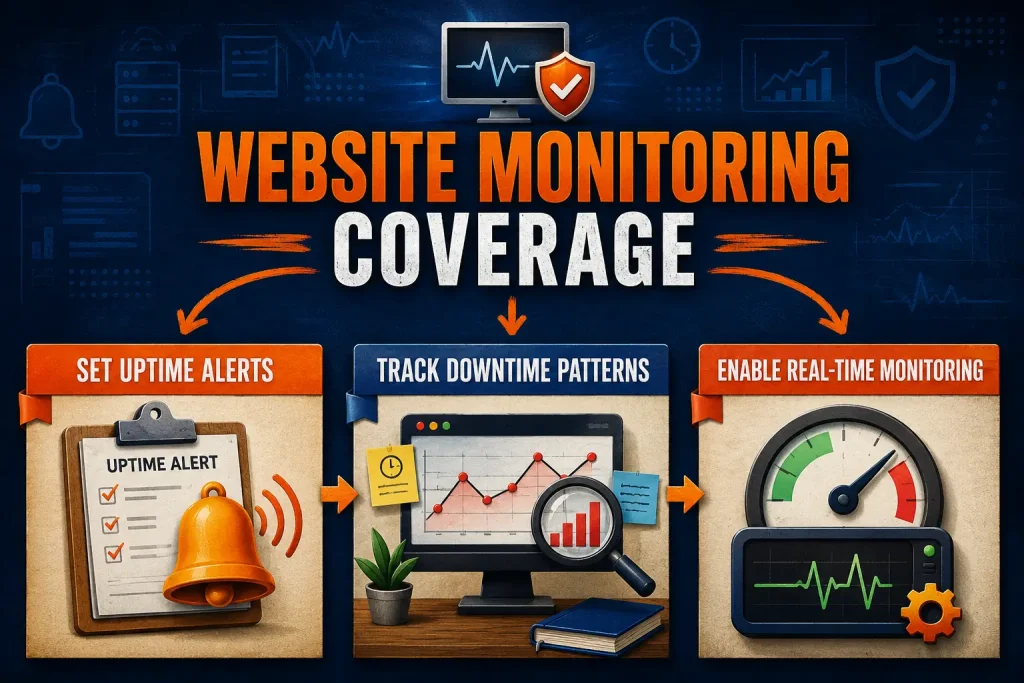
Use a weekly checklist to test links, tags, segments, and device display, then review results fast.
Why it matters
Weekly checks keep data clean, protect deliverability, and help leaders trust your automated email campaign results with confidence.
How to apply it today
Create a one-page report with goals, owners, dates, reach, clicks, and wins. Update it after each send, note what changed, and pick one improvement for next week.
Check One Result After Implementation
Check whether the welcome drip is active, trigger rules are documented, and weekly review records are being updated, then record the current status once.
Review again after a reasonable period and note whether the automation records remain current and more complete.