Introduction
Use email marketing segmentation to deliver the right message to the right audience. Plan and learn with small weekly tests so you avoid risky big bets. Maintain healthy lists, reduce churn, and allow gains to compound over time.
Email marketing segmentation groups your subscribers so each message fits what they need. Map segments, offers, and pages, then adjust and stay focused on one goal per email. Let’s begin with email segmentation strategies and then explore scaling offers, journeys, and automation.
Boost Results with Email Segmentation Strategies
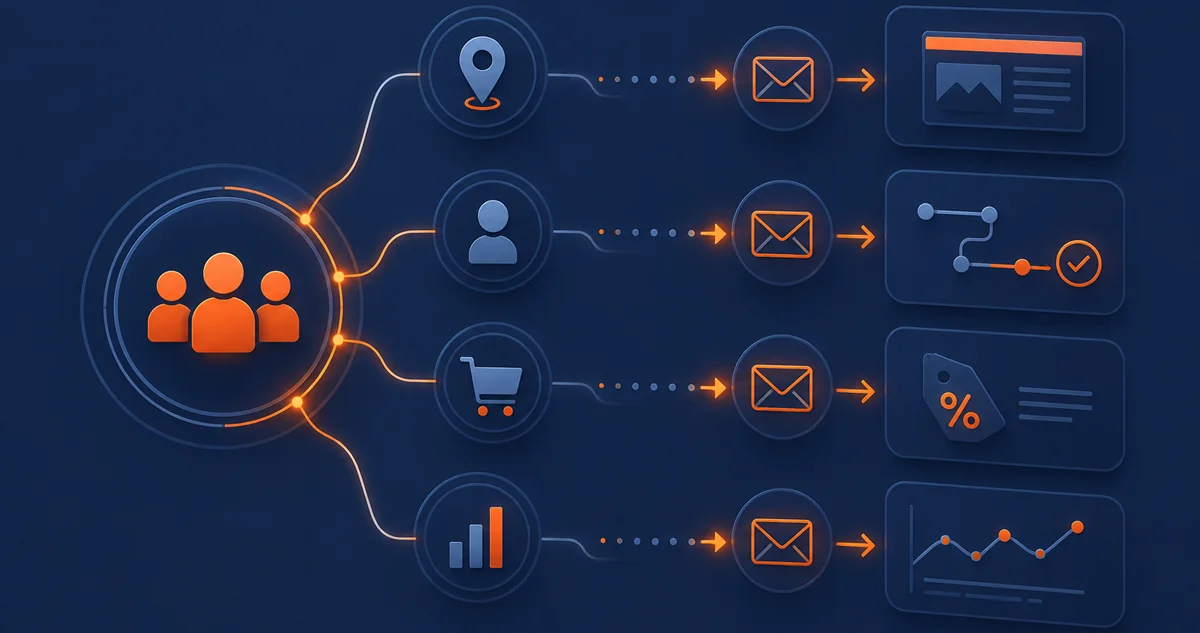
Segmentation groups people by location, suitability, and behavior, and ties each group to a clear goal. Use email marketing segmentation to connect your audience with an offer, a page, and a follow-up.
Match each segment to the right offer and follow-up. Route trial users to onboarding and enterprise trials to demos. Implement lead generation automation to ensure new signups enter the correct stream. Record owners and next steps so reviews move quickly and fixes stay in place.
Focused email segmentation strategies raise relevance and cut unsubscribes. They help your team send fewer messages that match what people want and when they need it. Clear segments make tests cleaner, make understanding results faster, and protect the sender’s reputation over time.
One promise per segment keeps focus and trust. Write rules people can follow and review them often. Keep pages and offers well-aligned with each stream. Next, carry the method into complex accounts, and align your team using segmentation for B2B.
Win Complex Deals with Segmentation for B2B
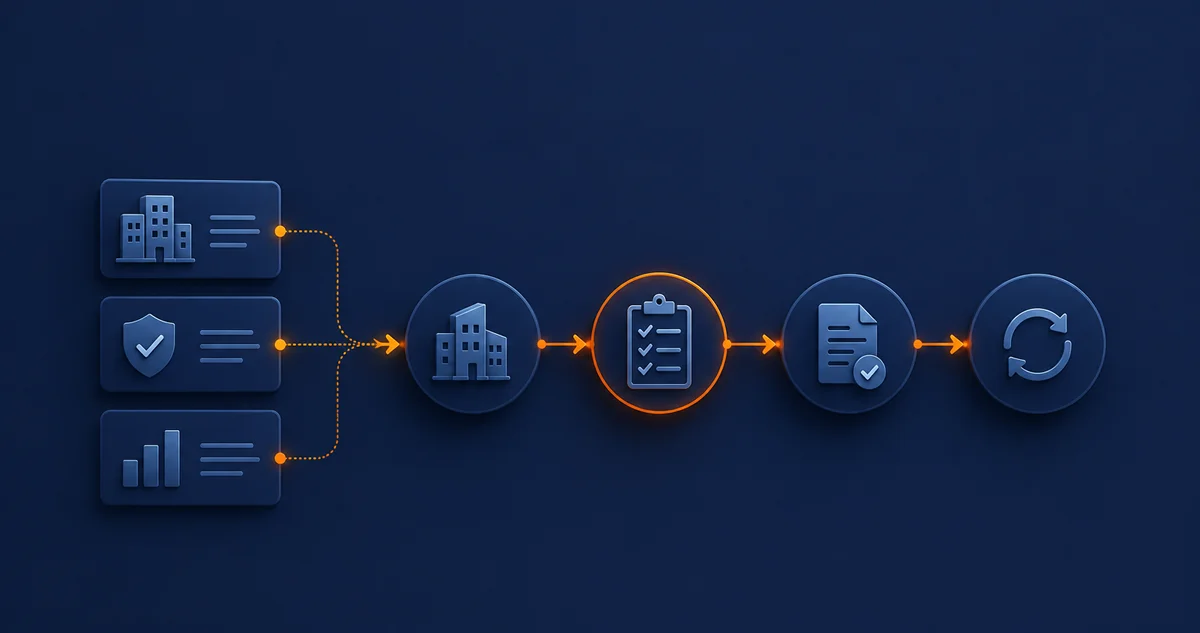
B2B segmentation groups contacts by their role, their size, their industry, and where they are in the buying process. Use email marketing segmentation to match each contact to the next step. Map who needs proof, who checks risk, and who signs, and keep the plan simple, shared, and current.
Route sequences by buying stage — awareness, evaluation, commitment, and renewal. Trigger automated sales emails after signals like visits or form views and log replies for handoffs. Set guardrails on tone and timing, and use short timelines and clean offers to build trust.
Strong segmentation for B2B shortens sales cycles and boosts replies. It ensures that messages fit each role so users can move faster. This way, your team sees gaps sooner, handoffs stay smooth, and leaders track deal health with less noise and clear next steps.
Write for the team, keeping steps clear, short, and assigned to one owner. Use notes that address goals, risks, and evidence. Next, use purchase behavior to time prompts and offers so that they land when it matters most.
Target Actions Using Purchase Behavior
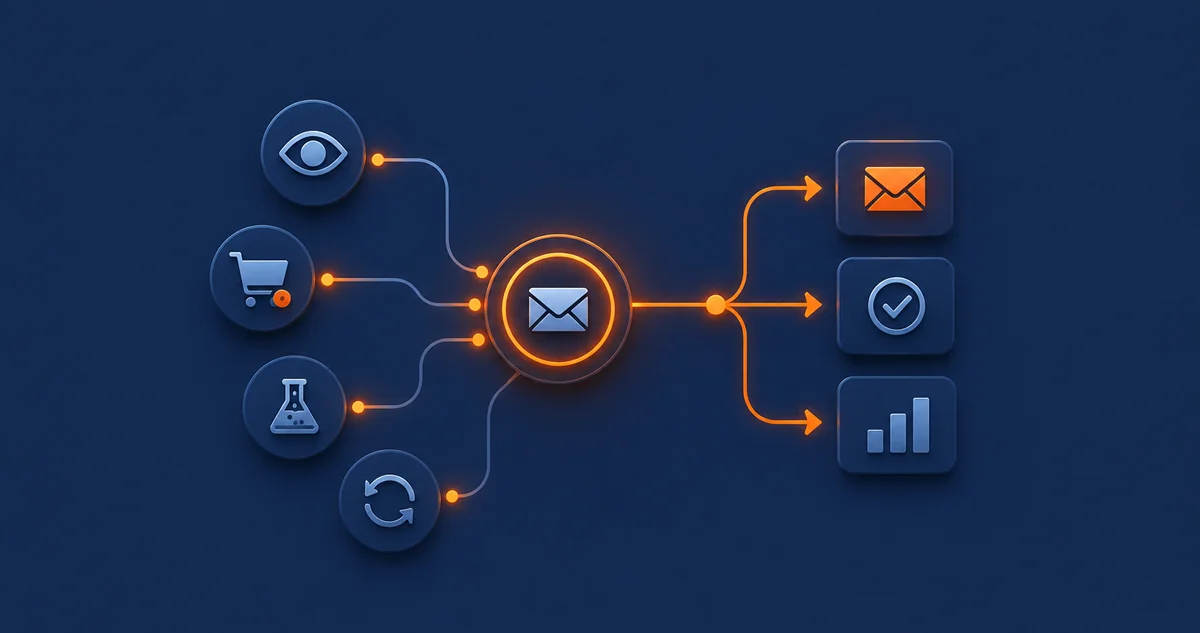
Purchase behavior refers to the cues people leave, including views, carts, trials, and renewals. These signals are what you use to pick the next step. Tie each cue to one action — include email marketing segmentation to align actions with goals, offers, and pages.
Trigger prompts for abandoned carts within hours, not days. Send automated reminder emails with proof, answers, and one next step. Test send time and quiet hours, track replies and clicks, and log outcomes so owners adjust copy, offers, and paths.
Tracking behavior improves timing, lifts win rates, and protects the experience. People get help when they need it, and your team spends less to earn more. Tests and reports reveal which cues, offers, and messages are most effective by segment.
Send the right message at the right moment. Write steps for each cue and keep the owners clear. Publish a playbook that shows signals, actions, and sends. Next, build the weekly process that guards quality and ownership. This way, quality assurance and reviews stay tight.
Systemize Flows, Quality Assurance, and Ownership
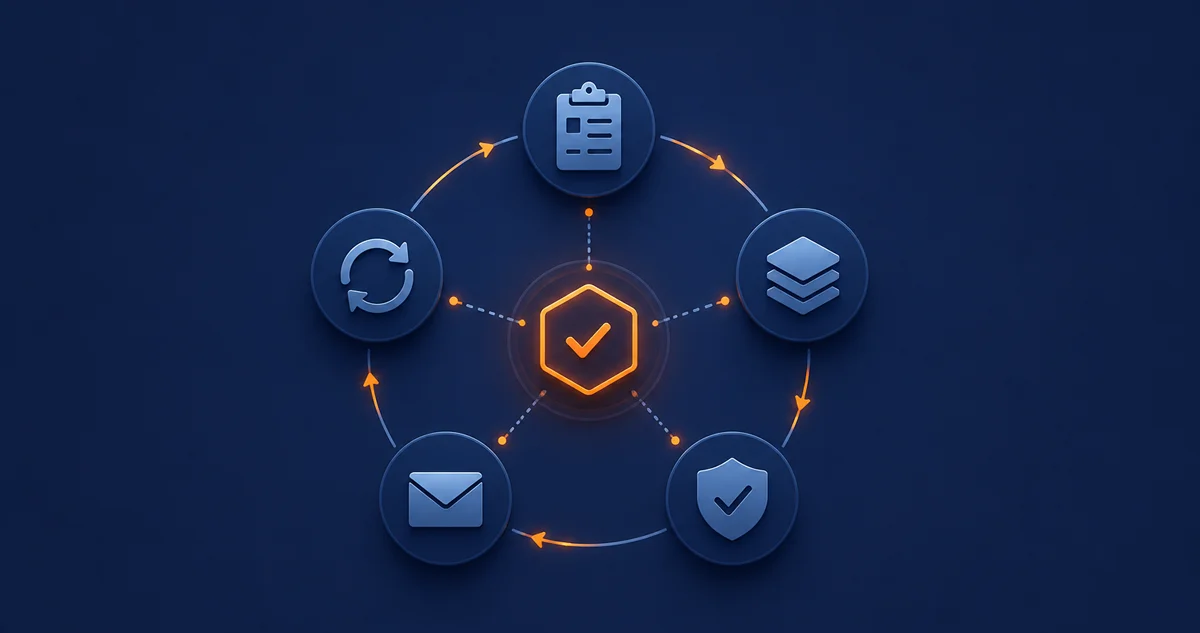
Run briefs, builds, quality assurance, sends, and reviews weekly. Assign owners for data and content. Use email segmentation strategies to align steps and anchor choices in email marketing segmentation. That’s how goals, lists, and offers stay clear, compliant, and easy to audit.
Establish guardrails for links, UTM parameters, devices, and naming conventions. Log checks in a template. Track send windows and quiet hours. Document paths in the platform and seats. Note owners, dates, changes, so reviews move fast, and fixes stick after launch.
Shared rules reduce errors and rework. Teams move faster with fewer surprises. Journeys stay smooth across channels. When accounts involve roles, tie steps back to segmentation for B2B. This way, legal, finance, and users see what to approve and when.
Email marketing segmentation is most effective when combined with consistent habits. Write the steps people can follow. Keep a weekly beat and reviews. Next, measure engagement and improvements in each sprint so learning compounds.
Measure Engagement and Improve Each Sprint

Create a one-page scorecard that you update weekly. Track opens, clicks, assists, and revenue. Split results by segment and offer. Add notes on purchase behavior so reviews stay grounded in actions. Tie metrics to the next step with an owner.
Compare similar groups and offers each week. Track engagement metrics with opens, clicks, and replies. Pair those with recovery rates after nudges or discounts. Note send-time windows and subject lines. Mark what changed, when, and why. Keep a log that people can scan.
Steady checks make email marketing segmentation improve each week. Small wins appear faster. Teams see which paths work and scale them. Weak flows fade. Budgets shift to segments that act. Leaders get views and can approve fixes with confidence.
Email marketing segmentation works best with steady tests. Keep the scorecard visible and owned. Tie subsequent tests to segment goals. Close each review with a single action, a designated owner, and a specified due date.
Frequently Asked Questions
Which engagement metrics should we trust first?
Track one goal per email, compare similar groups weekly, and watch trends over time. Use simple charts, clear owners, and next steps. Ignore spikes. Reward durable lifts each week.
How do we recover abandoned carts without pressure?
Send two helpful nudges near decision time. Offer support, proof, and one action. Space messages, observe quiet hours, and stop when goals are met or people opt out.
When should we send automated reminder emails?
Send after a clear intent. This includes viewed pages, trials, expiring offers, or missed steps. Keep the tone friendly, add help, and ask for one action. Respect timing rules and measure results weekly.
Where do automated sales emails fit best in B2B?
It fits best after receiving key signals from accounts. Keep messages concise, practical, and focused on a single action. Log replies and enable smooth handoffs.
How does lead generation automation improve list quality?
It sends new signups to the right group quickly. Test your offers and forms. Look at replies and results, not only signup counts. Remove blockers and fix any wrong labels so your list stays clean.
How should we judge recovery rates fairly across segments?
Compare groups with the same intent and time frame. Use simple rolling periods. Track the cost to win people back, the profit, and the time it takes. Keep reports clear so teams can act quickly each week.
Conclusion
Keep email marketing segmentation at the center so every message serves a goal. Track purchase behavior, review it weekly, identify weak steps, and protect list health. Small lifts stack into growth.
Stay consistent. Run simple tests and name who is in charge. Update your groups and timing when things change. Apply email segmentation strategies to guide updates that lift relevance and trust. Share results weekly, choose one next step, and repeat the loop.
Use Email Marketing Segmentation for Clear, Steady Growth
Let The Strategic Tech carry out email marketing segmentation that gives you clearer groups, better messages, and higher conversions. Your emails reach the right people at the right time, and your offers match each stage. With segmentation for B2B, complex accounts move faster and with less confusion. Start by requesting your free email marketing checklist today.