Introduction
Email retention turns one-time readers into loyal customers by showing clear value. To achieve this, organize your list, send helpful emails, check results, and make small fixes each week. Use simple tasks to keep your email retention work clear, focused, and on track.
Build an email retention system that respects data and user needs, keeping it simple. Set roles, timelines, and reviews to ensure team members act quickly and stay accountable. Map what to keep and why. Start by sharing a clear company email retention policy.
Set Rules That Protect Value with an Email Retention Policy
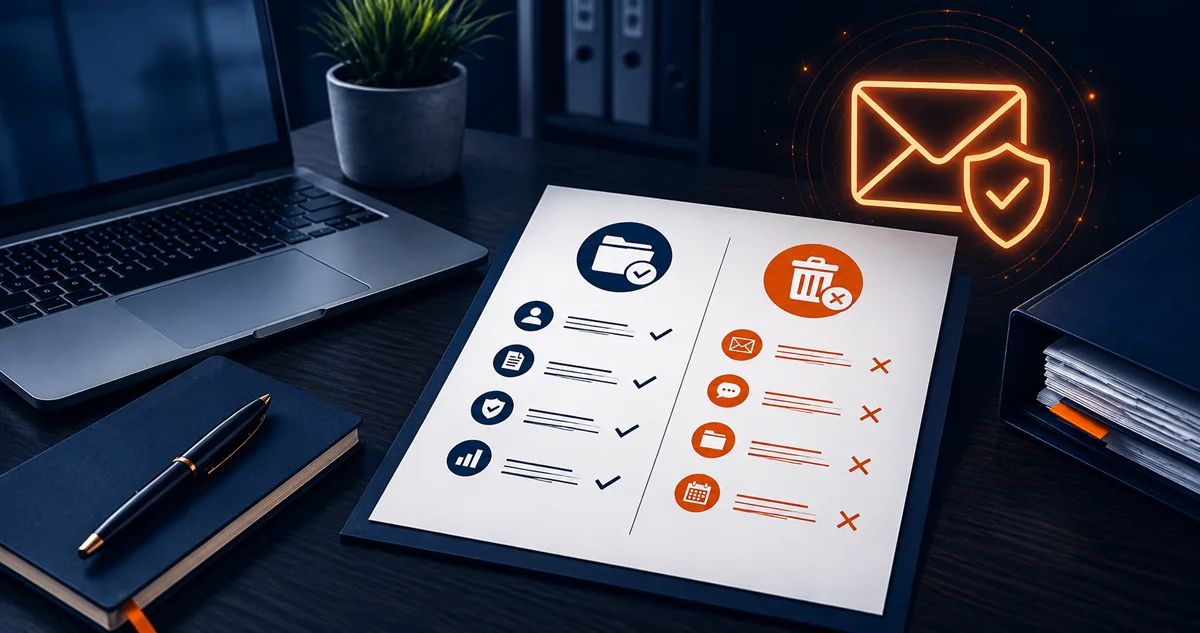
Determine what you keep, how long you keep it, who owns it, and why it matters. Tie each rule to an outcome like proof, privacy, or speed. Utilize email retention to inform decisions and eliminate guesswork.
Create a simple guide that shows what to keep and what to delete. Set clear rules, so team members know how long to store records and when to remove them. Store proofs and records in an email archive service. Record owners and decisions so audits pass and fixes can be effected fast.
A shared email retention policy reduces risk, streamlines reviews, and fosters trust. People know what to keep and why, and legal checks move faster. Support answers with proof so that leaders can see trends. Rules stop drift and keep teams focused on value.
Email retention is effective when rules are clear and easy to follow. Keep a one-page index, owners, and timelines. Review quarterly and after major changes. Shape messages to fit moments using email personalization to increase relevance.
Boost Results With Smart Email Personalization
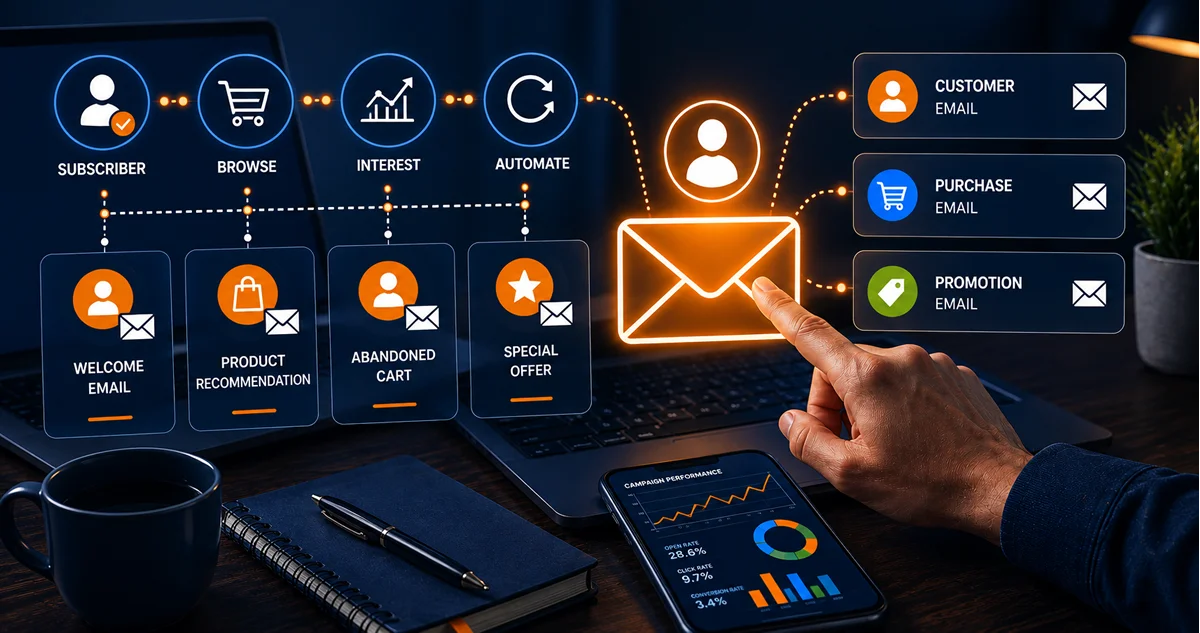
Email personalization uses what people do, what stage they are in, and what they like to send emails that feel timely and useful. Link the offer, the reason behind it, and the next clear step. This boosts engagement and email retention.
Use email triggers to send messages when people sign up, buy, go inactive, or renew a subscription. Set clear limits on how often you send and when to stay quiet. Build simple versions for each segment and stage. Test subject lines and send times to keep improving results.
Focused personalization enhances relevance while reducing noise. People receive messages that match their needs and outline next steps, so you can save time and ship better work. When offers fit the moment, trust grows as readers stay, buy, and share wins.
Always send the right message to the right person at the right time. Conduct small tests weekly, then review the results and make improvements. Next, deploy email targeting to reach the most suitable audience.
Reach the Right People through Precise Email Targeting
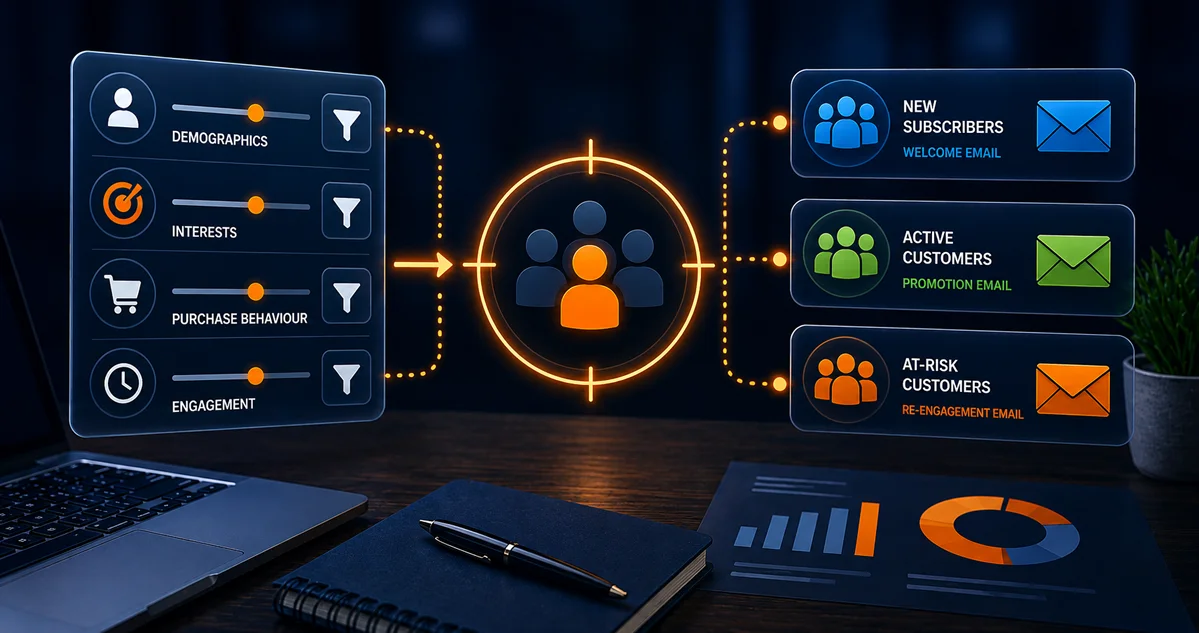
Targeting means selecting audiences based on their intent, fit, and stage. Use filters and rules so each send has a purpose. Tie lists to offers and goals. Link choices back to your email retention strategy to send helpful content to your readers and provide value.
Group offers by segment and value. Track email response by cohort and send-time windows. Route questions to an AI email responder, with human review for edge cases. Note drop-offs and adjust timing, content, or routine to improve results.
Better email targeting saves time and cuts unsubscribe rates. Budgets go to lists that act; your team focuses on fit, not volume, and fewer mistakes reach inboxes. Clear rules make success repeatable. Over time, results improve, and reporting gets easier across channels.
Focus beats volume — choose the few segments that matter and serve them well. Write clear steps, run simple tests, and keep a steady weekly schedule. Next, build the process that guards quality, privacy, and ownership.
Standardize Reviews, Privacy, and Ownership to Protect Quality

Assign clear owners for data, content, and privacy tasks. Link every step to a result you can prove, and keep your notes short. Utilize an email retention policy to ensure email retention and maintain clear, compliant choices.
Use basic checklists to review your links, tracking tags, device views, and approvals. Record changes in a log. Keep proofs, metadata, and document copies. Store them with email archiving solutions for audits. For example, review a few emails each month, check key rules, and fix any issues immediately.
Shared rules reduce errors and rework, so your team knows how to proceed and move faster. These help owners navigate risks fast, and reviews catch issues before launch. Match each version of your emails to the right segment using email personalization, and keep quality high.
Write your emails using the checks you already set, and keep a steady weekly rhythm. Hold short reviews that lead to clear fixes. Document changes, owners, and dates. Next, track loyalty and churn with a scorecard to ensure progress remains visible and steady.
Track Loyalty Gains and Reduce Churn Weekly
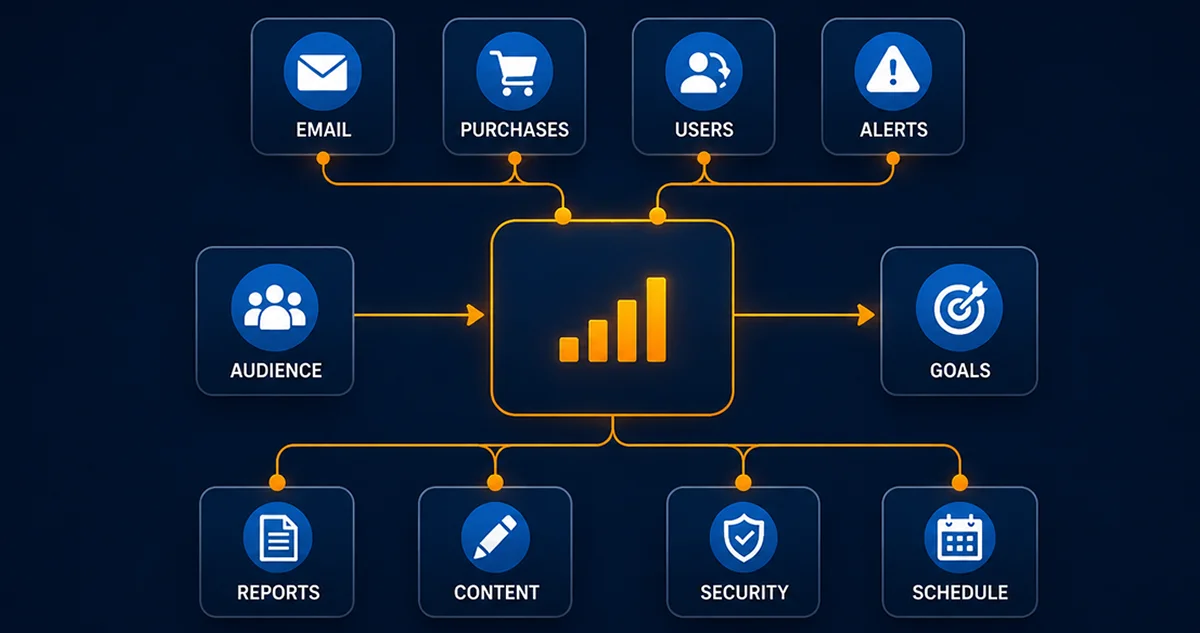
Create a one-page scorecard that you update weekly. Track your email retention rate, repeat purchases, reactivations, and key risk signals. Break results by segment. Tie each metric to the next step. Add one line to the email targeting note list to improve quality.
Compare cohorts by lifecycle stage and the date of their last purchase. Add notes on customer loyalty and retention to guide offers and timing. Record what changed and by whom. Include a link to the email retention policy to ensure checks remain clear.
Steady checks help maintain high email retention rates. They identify issues early and prove what works. Share wins, retire weak flows, and shift budgets to better segments. Use a short review to decide the next tests and repeat the process each week.
Keep the scorecard simple and easy to see, give someone clear ownership, and review it on the same day every week. Celebrate small lifts, fix what slipped, measure, learn, and adjust to ensure consistent progress across teams, channels, and months.
Frequently Asked Questions
How can we improve email response without spamming readers?
Ask for one clear action. Match offer to intent. Keep copy short. Test changes weekly. Track results across segments. Stop tactics that annoy. Keep timing respectful.
When should we add email triggers to our flow?
Add triggers as soon as a clear action happens. This includes a signup, click, download, purchase, or cart add. Send them quickly while interest is high to guide people to the next step.
Do we still need an email archive service today?
Yes. An archive service is still needed because audits, proofs, and privacy requests require solid records. Keep logs simple, assign owners, review policies twice a year, and test exports, search, and access controls.
How do we compare email archiving solutions for compliance?
Check the retention rules, search, exports, and access controls of each option. Test their support, confirm pricing and limits, document results, run a small test, and make sure audit trails and restores are reliable.
How do we measure customer loyalty and retention from email?
Track repeat purchases, reactivations, and replies. Compare groups of customers over time. Tie outcomes to your series and offers. Share results, and adjust segments and timing as things change.
Where does an AI email responder help the team most?
An AI responder helps most by sorting questions, routing complex ones, and suggesting drafts. Keep humans involved, measure time saved and satisfaction, review samples weekly, and refine rules for when to escalate.
Conclusion
Big results come from a steady cycle — set clear rules, personalize your emails, aim at the right people, and improve each week. Put email retention first so messages build value over time. Quick checks keep teams in sync.
Review results weekly, identify and fix issues, and refresh offers as needed. Use email targeting to run tests and protect loyalty. Keep reports concise and share relevant information and dates. Rinse and repeat per week.
Boost Email Retention to Grow Loyalty and Repeat Sales
Let The Strategic Tech help you turn visitors into customers with email retention. We will target leads with smart email personalization and build a simple scorecard that shows clear gains. You will see stronger loyalty and better results. Start by requesting your free email marketing checklist today.