Introduction
With an integrated marketing strategy, you bring every channel to work together as one. This ensures that your brand stays the same online and offline, and your team learns much faster. Small tests help you choose what to do next.
An integrated marketing strategy sets clear goals, aligns teams, and ties budgets to results. Reports track metrics from posts to pages to the sale. Budgets connect to results, so work speeds up. Start by aligning teams with your integrated marketing strategies.
Align Teams with Integrated Marketing Strategies
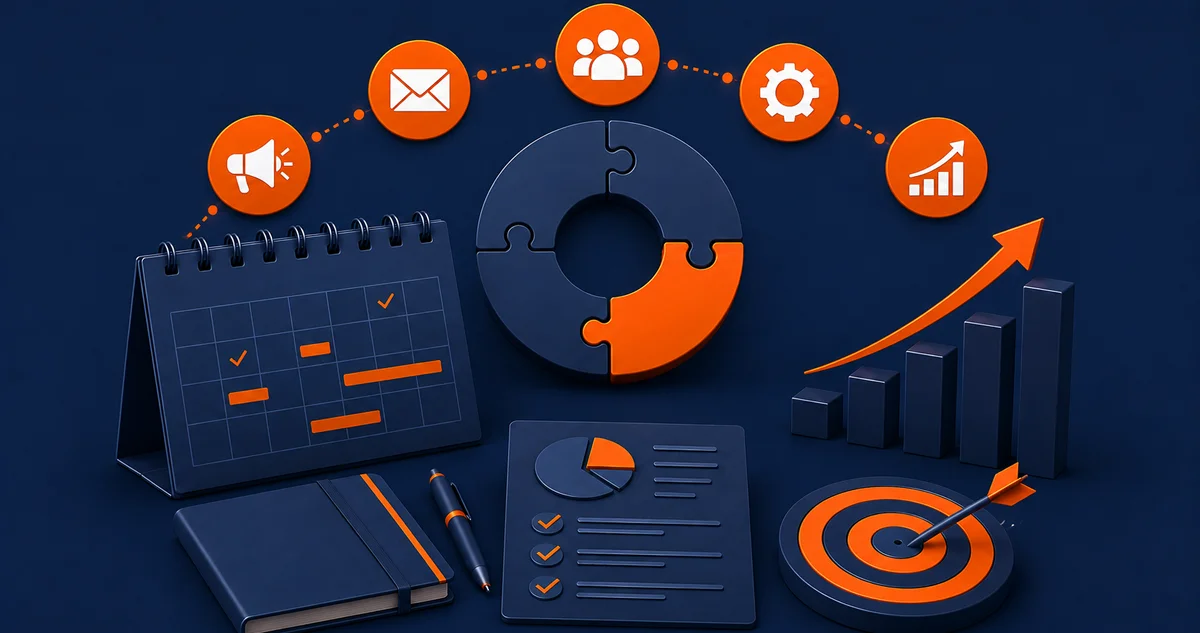
Integration strategies set shared goals, roles, and dates. One playbook and one calendar keep teams aligned. Reports look the same in tools, so choices are clear. Use an integrated marketing strategy to tie work together and keep plans simple.
One roadmap synced a launch for web, email, and socials. The team reused one headline and art. Integrated advertising campaigns carried the same promise, timing matched the plan, and fewer steps with clear owners turned planning into action without delays.
Decisions get faster when briefs match the plan. Integrated marketing strategies align copy, timing, and spend, so teams ship small changes, compare results, and scale winners. One calendar and clear owners cut waste and keep launches on track.
Keep the playbook simple. Use one calendar, short notes, and tags. Review each week, act on proof, and drop weak ideas fast. Next, map pages and handoffs with an omnichannel marketing approach to guide every journey.
Map Journeys with an Omnichannel Marketing Approach
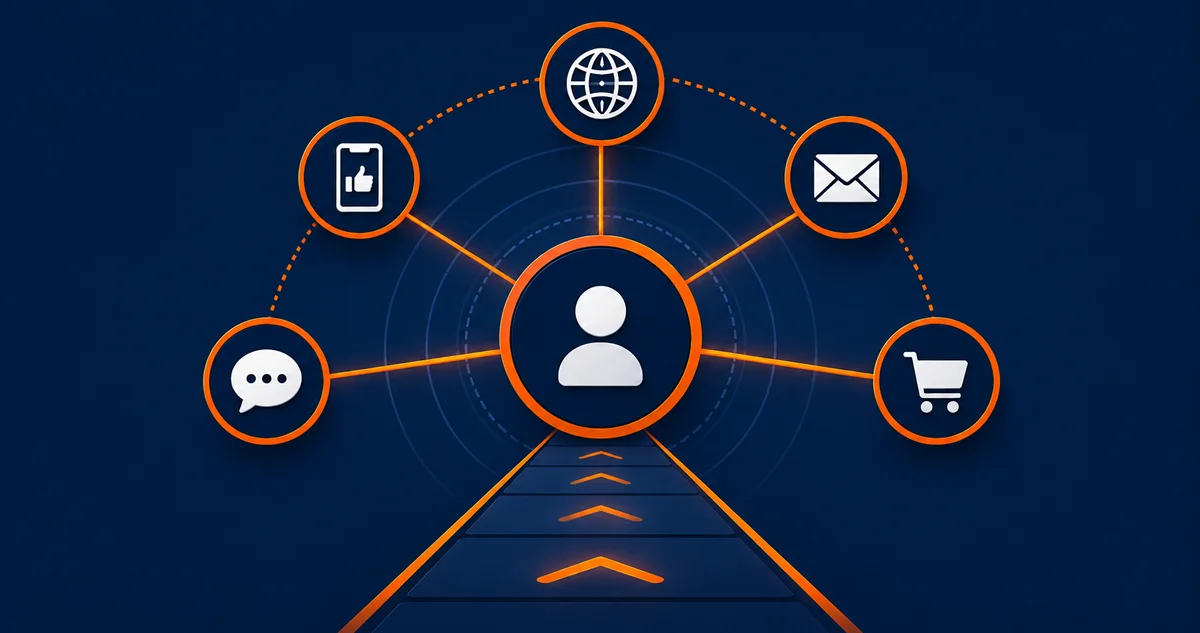
An omnichannel approach connects web, socials, email, events, and stores in one plan. An integrated marketing strategy sets goals and owners, so messages match across touchpoints. Teams shape the omnichannel customer experience so users can move easily.
Use a hub-and-spoke plan. The hub holds core pages and offers, while the spokes adapt posts, emails, and ads. Track paths, sources, and actions; use a single content calendar and handoffs to ensure teams publish on time.
An omnichannel marketing approach shows the same promise and action in every place. This way, paths get smoother, trust grows, and users know what to do. Teams see gaps, fix copy or timing, and learn faster from shared reports across tools.
Keep journeys clear and short. Use one calendar, one brief, and set owners. Review paths each week and fix slow steps. Close the loop by mapping stages and handoffs. Next, build and improve your sales and marketing funnel.
Build and Improve the Sales and Marketing Funnel
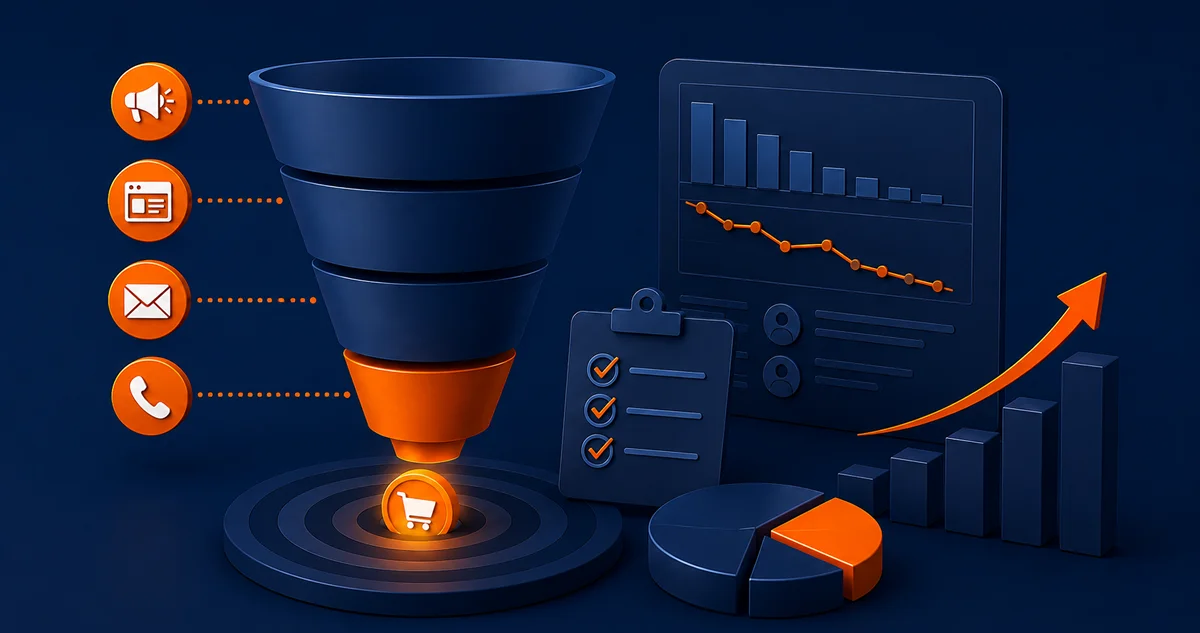
The sales and marketing funnel illustrates the steps from initial contact to purchase. Teams share a set of metrics and owners for each stage. An integrated marketing strategy links goals and handoffs, so gaps are identified, and fixes are shipped on time.
Map a simple path: ad → page → email → call. Name owners for each stage and set measures. The sales funnel shows drop-offs by step, allowing teams to test copy, fixes, and offers to improve progress.
An integrated marketing strategy ties ad spend to stage goals. Use omnichannel advertising campaigns to carry the promise into each step. This enables teams to compare paths, pick winners, and move budget to routes that return more.
Keep stages clear and owners set, review reports weekly, fix the slowest step, and share proof and notes in one place. Next, align messages and media across channels so users see the same promise and action at every touchpoint.
Unify Messaging and Media for Consistent Brand Signals

An integrated communication plan maintains consistency across all channels. It turns one message into many formats without drifting. An integrated marketing strategy ensures that owners and teams publish on time and maintain strong signals.
Map messages to formats by channel. Use strategic media planning to set reach, spend, and dates. Reuse headlines and art, and add sales and marketing funnel tags to posts, pages, and emails. Compare paths weekly and adjust the budget to reflect wins.
Unified messages boost recall and trust. They help teams approve faster and rewrite less. An integrated marketing strategy keeps tone, offer, and timing aligned. It ensures reports match across tools, allowing leaders to see the truth and act on evidence immediately.
Update briefs, tags, and calendars after each test. Share notes with owners. Hold a monthly review to compare paths and creatives. Next, measure, learn, and refine across channels with dashboards and a clear weekly checklist.
Measure, Learn, and Refine Across All Channels
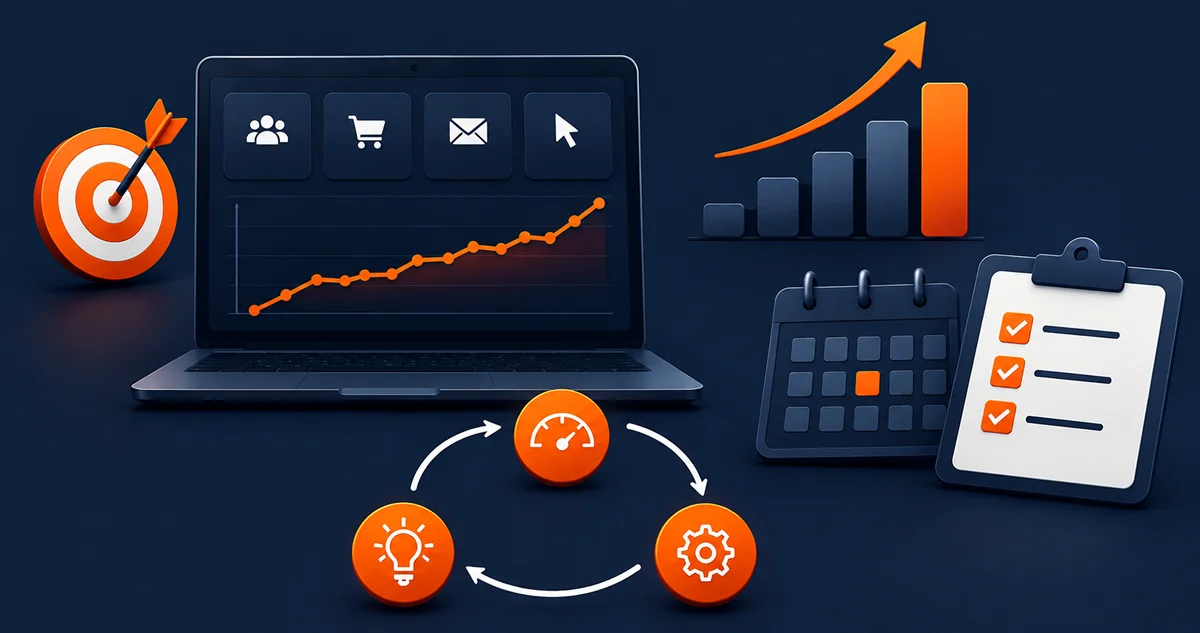
Use one dashboard for goals, spend, and outcomes. An integrated marketing strategy links reports to targets by team and stage. Tag each source. With an omnichannel marketing approach, you compare paths fast and adjust budgets based on facts weekly.
Compare page, email, and store paths by source. Track clicks, bounce, and sales for each route. Test copy and art side by side. Balance reach and cost across traditional and digital marketing, then shift budget to the best mix.
Faster learning fuels lifts. Teams see which messages and routes work. Integrated marketing strategies ensure that wording and timing align across all channels. You keep your brand steady while moving budget to winners and trimming weak routes quickly.
Review goals, read dashboards, pick one change, and get it running. Keep one calendar, save proofs and notes, and share what worked and what failed. Repeat the loop, and keep raising results with small but consistent steps.
Frequently Asked Questions
How does an integrated communication plan keep brand voice consistent?
Use one style guide and template. Keep the tone and colors aligned. Approve once, and reuse. Review monthly. Fix drift fast so teams publish on time.
What improves an omnichannel customer experience when users switch channels?
Make switching easy. Keep design, offers, and carts the same everywhere. Use one login, send quick receipts, and remove extra steps so users move smoothly.
How should teams use strategic media planning for launches and always-on work?
Start with goals and target groups. Set reach and frequency. Match creatives to each channel. Track lift. Shift budget to winners. Review often.
When do integrated advertising campaigns work best across media?
Use them for key moments. Reuse core message. Match timing across TV, radio, web, and stores. Point all routes to one page. Measure and scale winners.
Which tests improve omnichannel advertising campaigns and cut waste?
Test creative, offer, and timing. Compare routes by source. Match landing pages. Track clicks, bounce, and sales. Keep winners. Pause weak routes. Rerun monthly. Share proof so teams learn what is working.
How can traditional and digital marketing work hand-in-hand?
Use one plan. Keep tone and promise aligned. Point ads to one page. Reuse art. Sync calendars. Compare paths. Move budget to routes that perform best.
Conclusion
An integrated marketing strategy links channels and messages. Users see one brand, and trust grows. An omnichannel marketing approach keeps web, email, and stores in sync. It allows teams to ship faster, ensures reports align, and improves results with clear steps.
Plan, test, and learn in short cycles. Set owners, budgets, and dates. Integrated marketing strategies align timelines and wording. Share proof, drop weak ideas, and scale winners. Small gains stack up while teams keep brand signals clear.
Build a Stronger Brand With an Integrated Marketing Strategy
Let The Strategic Tech help you grow with an integrated marketing strategy that connects every channel. We’ll set clear goals, map journeys, and align your teams. Through a smart sales and marketing funnel, we’ll match offers and timing, fix weak spots fast, and keep your brand message consistent. Request your marketing strategy plan.