Introduction
User experience psychology helps shape how people act on websites. It affects how they move, click, read, and decide. Every layout, color, and word can push visitors closer to action or make them leave.
To grow online, your site must connect with how people think and feel. That’s why user experience psychology is key to building pages that users trust and enjoy. This starts with understanding user behavior analysis, the next step in mastering influence.
Understand User Behavior Analysis to Influence Actions
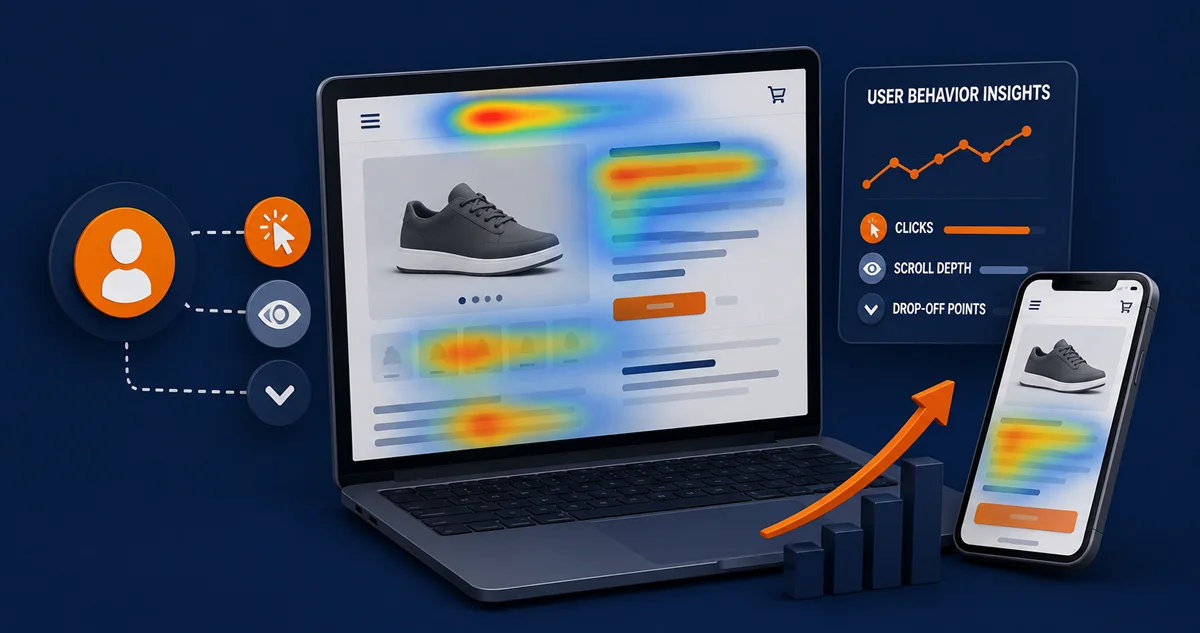
User behavior analysis helps you understand how people use your site. It shows where they click, scroll, or stop. This enables you to see what they care about, what they miss, and what makes them stay or leave.
One store used scroll maps to track how far people went on a product page. They noticed that users often skipped over key details. After moving that info higher, time on page grew, and more people added items to their cart.
User experience psychology gets stronger when you know what people are doing. Behavior data helps improve layout, images, and words. When you learn about decision making behavior, your design helps users feel more confident while exploring your site.
Innovative teams utilize behavioral analysis to enhance their results. They don’t guess. They test and watch real actions. Learning what users want is the first step. Next, apply user experience heuristics for better design decisions.
Apply User Experience Heuristics for Smarter Design
UX heuristics are design tips that make your website easier to use. These tips help people navigate your site without difficulty. Simple rules often work better than complex ideas when building helpful pages.
One common rule is to show the most important stuff first. This follows first impression psychology. If people see what they need immediately, they are more likely to trust your site and continue exploring.
User experience heuristics also support the principles of user experience psychology. They make each click and action feel easy and smooth. When visitors feel comfortable, they spend more time and are more likely to take action.
Smart design follows clear steps. The site doesn’t have to be fancy; it simply has to be easy to use. When people feel less stressed, they tend to do more. These rules keep your pages simple. To build on this, let’s look at navigation bar design.
Improve Navigation Bar Design to Guide Decisions
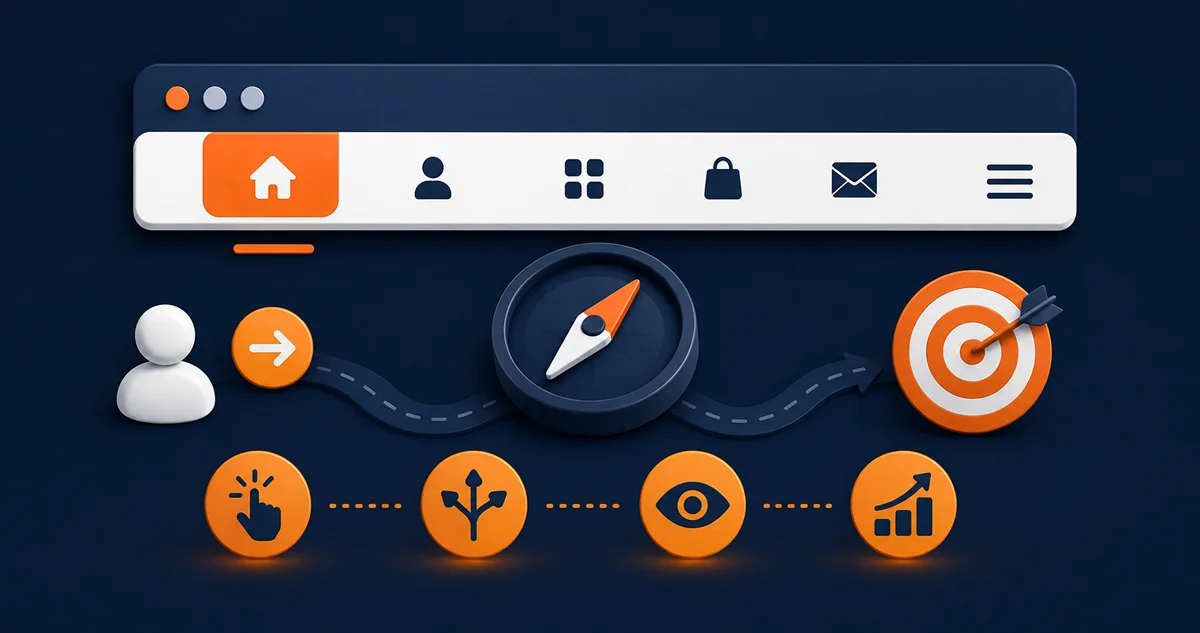
How your navigation bar appears shapes how people move through your website. If it’s easy to use, they will visit more pages. A well-structured menu with clear labels and intuitive links helps users find what they need more quickly.
One company changed its navigation bar design to make menu items more readable. The result was a 35% drop in bounce rate. Simple changes in layout and microinteractions helped users click with less confusion. This boosted their confidence.
Navigation tools support user experience psychology by reducing thinking time. When users see clear options, they feel more in control. Less stress means more action and more people going to the pages you want them to see.
User experience psychology is about how people feel while using your site. Clean menus with a firm structure improve that feeling. Simple menus lead users where you want them to go. Let’s now explore emotional and visual triggers.
Use Visual Triggers and Emotional Cues for Conversion
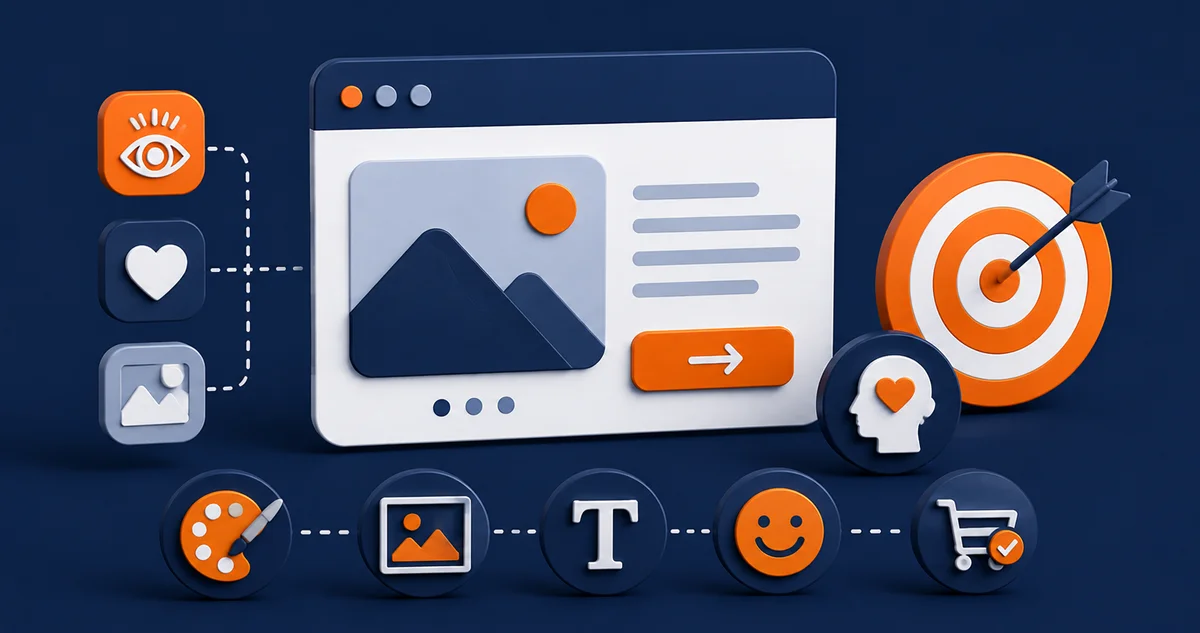
Colors, images, and layout can all guide how users feel. These visual cues work fast and help people decide what to do next. This is where user behavior analysis and psychology in design intersect with smart website choices for effective results.
One website used bright buttons and friendly photos. Clicks went up by 28%. That’s the power of good visuals. They help people notice what matters, feel more at ease, and move through the page with less doubt or stress.
Emotional design strengthens user experience psychology. People act when they feel trust, joy, or even curiosity. When you apply user experience heuristics with emotion in mind, your site becomes easier to enjoy and harder to ignore.
The aesthetic usability effect means that clean, attractive sites feel easier to use. Even small touches make a big difference. These visual cues strengthen brand memory. Let’s now tie psychology to overall UX engagement.
Align User Experience Psychology With Long-Term Engagement
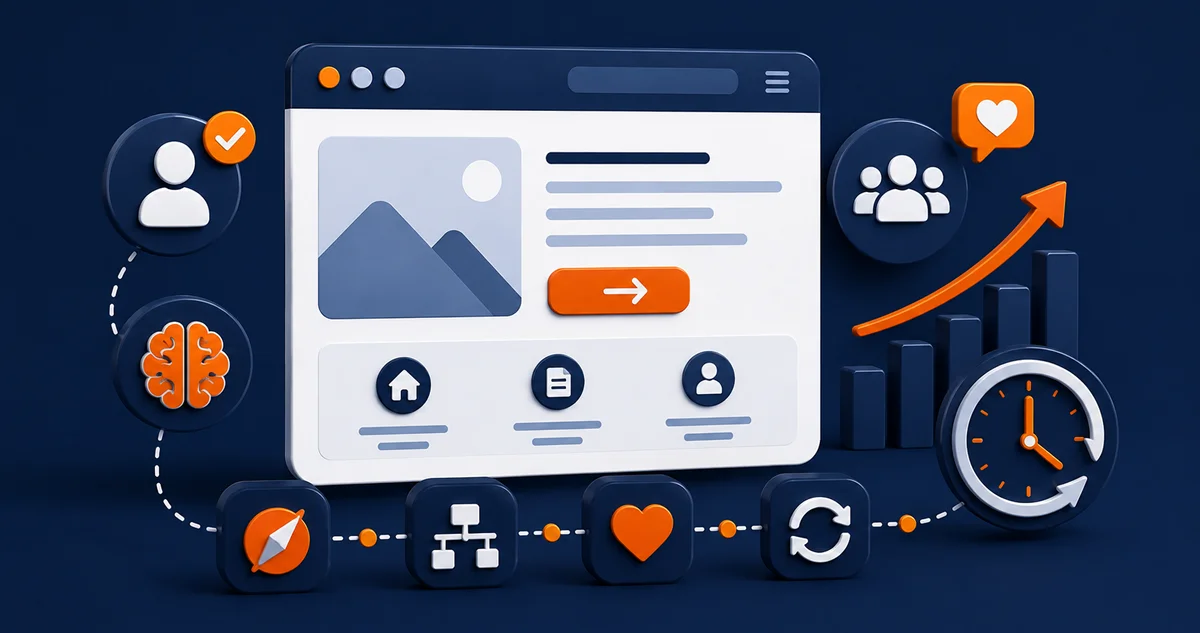
UX psychology is not just for first clicks. It also helps shape how users move, read, and stay. A simple layout and clear steps keep people moving without stress. Each part of your site should work together.
One brand used user experience psychology to keep users 43% longer. They used shorter text, fewer options, and added social media integration to stay connected. These small steps made people feel more comfortable staying and clicking more.
People come back when your site feels easy to use. User experience heuristics—such as helpful menus and clear buttons make this happen. When users have a positive experience using your site, they trust it more and return again and again.
Design builds habits. A proper navigation bar design shows people where to go. It removes doubt and keeps the experience smooth. Strong design and smart psychology work best together, and the outlook of your navigation bar supports every UX choice.
Frequently Asked Questions
What’s the role of psychology in design for websites?
It helps websites match how people think. It shapes layout, colors, and actions. When a site feels simple and familiar, people trust it more and take action faster.
How does decision making behavior impact site conversions?
Users act based on how a site makes them feel. Page layout, buttons, and clear steps can influence their decisions. Simple and clear choices make people more likely to make a purchase or sign up.
Why is first impression psychology vital in UX?
If a homepage appears messy or confusing, visitors tend to leave. Psychology helps you design a strong, clean look so users feel good about exploring more.
What’s the link between aesthetic usability effect and bounce rate?
When pages look good, people are more patient. A clean, simple design helps reduce bounce rate and keeps users on your site longer.
How do microinteractions boost site interaction time?
They guide users step by step. These little actions help people stay longer, feel engaged, and enjoy using your site more.
Should I use social media integration in every layout?
Not always. Add it where it supports your content, not where it distracts from it. Place links carefully to avoid pulling users away too early.
Conclusion
User experience psychology helps your design match how people think. Each click, scroll, and move should feel clear and simple. When users enjoy your site, they tend to stay longer and are more likely to take action.
User behavior analysis turns actions into insight. When you watch what people do, you design smarter. By applying psychology, design makes sites easier to use, helping them work better and deliver stronger results.
Start Applying User Experience Psychology Today
At The Strategic Tech, we use user experience psychology to design websites that guide actions smoothly. From layouts to navigation bar design, we create experiences that keep visitors engaged, encourage more clicks, and foster trust in your brand. Start Your Smart Site Psychology Review Today!